Tag: vegan diet

  • 7 Crucial Differences Between Veganism and Plant Based Diet

    7 Crucial Differences Between Veganism and Plant Based Diet

    Media, general public, government and welfare institutions usually seem ill informed about Veganism. Media articles mislead readers frequently and celebrities are responsible for sowing seeds of confusion in human society. Here are seven facts about how Veganism is different from Plant Based Diet sometimes confused with Veganism in general.
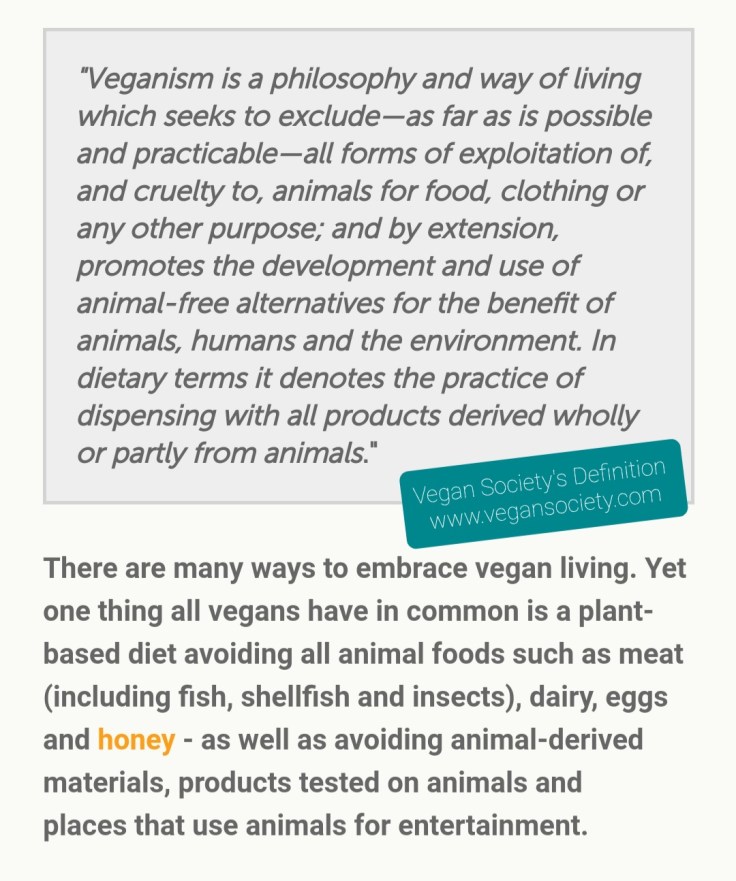
    Veganism as defined by Vegan Society

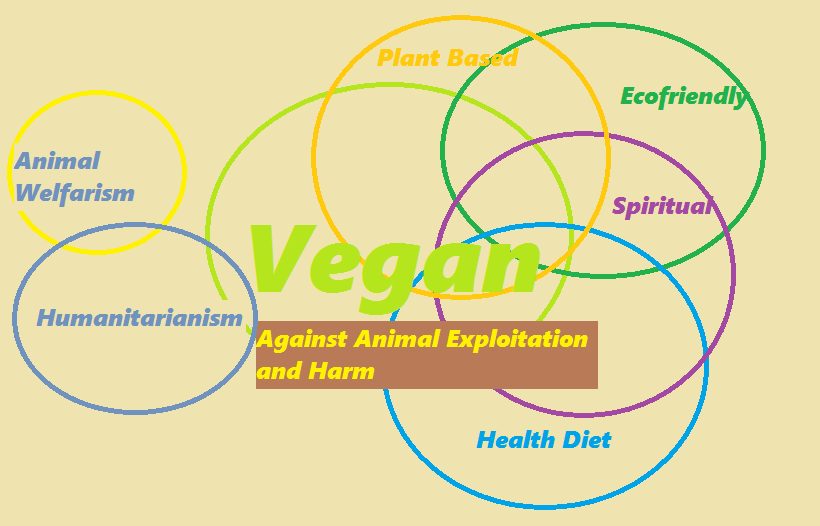
    1. Not Just a Diet: Veganism by definition, unlike vegetarianism is not just a diet but a complete moral stand against objectification, abuse or exploitation of animals. The Vegan Society’s current definition is also referred to very often because this charity popularised the term Vegan in Britain in the late 1940s following which several meetings and alterations were drafted to the effect of the term to denote the following: Veganism is a philosophy and way of living which seeks to exclude—as far as is possible and practicable—all forms of exploitation of, and cruelty to, animals for food, clothing or any other purpose; and by extension, promotes the development and use of animal-free alternatives for the benefit of animals, humans and the environment. In dietary terms it denotes the practice of dispensing with all products derived wholly or partly from animals.” Plant based diet is one of the important key aspects included within Veganism but if someone is only following a plant based diet and still alright with other forms of animal abuse or exploitation, such as leather, silk, wool, animal testing, animal circuses or zoos they are not vegan by definition in entirity. The right term for them is plant based (ethically neutral) in terms of diet and lifestyle if they are in it primarily for consumption related reasons other than eschewing animal cruelty and exploitation in all forms.

    2. Not Just a Personal Utalitiarian Choice: Veganism is a philosophy and not just a personal lifestyle choice of convenience. It is about not supporting violence or cruelty and also by extension about promoting alternatives for benefit of animals and the planet. Vegans are not only interested in happily living out their own personal life cycles with a plant based life as and when they can, or by reducing meat, avoiding dairy at ‘most’ times or being ‘nearly’ vegan, ’90 percent’ vegan, ‘almost’ vegan or ‘sometimes’ vegan and the false term ‘veganish’. These terms may apply to Plant Based lifestyle, when you can be ‘nearly’ plant based, ‘almost’ plant based, 90 percent Plant based, ‘sometimes’ plant based and so on. Vegans are also usually interested in some form of activism, by promoting alternatives to not only food but also healthcare and medical products, entertainment and cosmetics to the public and society. Veganism seeks to exclude various forms of abuse that are linked with the system that our current world operates through, a system based on humankind’s perpetration of and normalisation of rape, murder and exploitation against all other sentient living beings. Vegans hope that as more and more people go Vegan and wake up, we all will campaign more effectively to the media, government, corporates and other bodies to completely do away with the disgraceful system of violence and abuse altogether in due course of time as a civilisation, which is the abolitionist approach to activism. Until that juncture we need to at least be Vegan at a morally sound personal level and to encourage others to be Vegan if we can find the time and resources to be an activist.

    3. Not Just Welfarism: Veganism is not the same as Animal Welfare. The focus of Veganism is on being against horrendous animal abuse, graphic violence and senseless exploitation, however it does not mean that merely reducing some forms of violence such as cages or non-stun slaughter or promoting so called ‘high welfare’, ‘ethical’ of ‘humane’ farm animal products is legitimate. This is because it is infact practicable and possible to avoid animal products or exploitation in all major aspects of our daily life altogether. For example we can avoid dairy cheese completely and consume either plant based cheese or other plant based nutrients without cheese because cheese is just a flavour, we don’t really need it at all as we can easly obtain Calcium, Protein or Fat through plant based sources. Vegans are not interested in demanding free range or ‘better chicken’ in shops either as Chosen Pechham’s campaign promotes. We do not want zoos to exploit animals in a slightly better way by giving them a bit more space to roam around in their compartments as many conservation based environmentalists would prefer. Vegans would rather that these animal farms and zoos are not proliferated in the first place or are closed down. Compare this stand with domestic abuse, slavery, racism or sexual violence. Would you like to promote ‘high welfare’ slavery or less graphic forms of torture, rape and violence or would you be against violence, racism, rape and abuse in totality?

    4. Not Just Eco-activism: Veganism is a philosophy against cruelty and violence. Being eco friendly and against climate change is also part of it, however saying that you are vegan primarily for ‘environment’ is incorrect. Vegans may also at times be involved in environment and health based awareness in intermediate basis but that is not usually their prime motivation unlike that of eco-activists. If you are depressed because of climate change realizing that your future or that of other human descendants is threatened, complain about plastic pollution and greenhouse emissions, but not really as depressed about what happens to animals in slaughterhouses or hell holes of animal farms, zoos or testing industry right now that has destroyed trillions of lives each year for centuries already, you are not in truth motivated as a Vegan. Doing away with animal exploitation is infact the primary focus of veganism with plant based environmental activism being an add-on factor. Having said that if the world went Vegan or even Plant Based it will certainly benefit the environment overall by helping the planet recover its ozone layer and keep the tree foliage lush green in the earth as animal agriculture is of course the leading cause of deforestation and ocean dead zones, acidification and greenhouse effect. But if you say you are Vegan, you are necessarily against animal abuse and graphic violence of slaughter, enslavement and control over sentient beings, whether or not it is done in environmentally less damaging or putrid ways.

    5. Not Just Health: If you are Plant Based mainly for physical health or personal psychological gains you may not be really a Vegan. Health is a wonderful benefit of eating plant based food and this is part of your healing if you are Vegan besides the inner one of the satisfaction that you were on the right side of history by being against animal exploitation and violence. Raw plant based or whole foods plant based diet although healthier than plant based junk food such as crisps, fries, plant based cheese or plant based pizzas or plant based sausage rolls would still be called a plant based diet and not Veganism if the chief motivation of your lifestyle is physical or personal wellbeing and you are not interested in animal justice. Veganism is about being in it for the animals, to not add to their misery in any way you can or to avoid contributing to massive injustices. Vegans are still vegan even if they eat vegan junk food and are not in physically top form.

    6. Not Just a Temporary Stint: You are not just Vegan temporarily but for life, because you care about animal suffering and want to not be part of that crime under any circumstances hereinafter. Would you stop causing slavery and domestic violence one day and retract afterwards by saying it was too hard for you to not be domestically violent or racist later on? Would you slogan against Female Genital Mutilation and then suddenly start claiming that it is alright to mutilate babies and young girls. Many plant based celebrities do exactly that when it comes to their so called stint into ‘Veganism’, justifying later on that ‘they are no longer vegan because of xyz reasons’. They were never vegan in the first instance as they were merely plant based and flexible about moral values, and may regard human as superior to other animals overall. Some of these celebrities such as Miley Cyrus and Ellen GeGeneres are spreading misconceptions that they went ‘vegan’ for planet, animals or health but resorted to eating animal products for Omega, B12, energy or other nutrition because they are lying. A plant based diet is nutritionally sufficient if well planned just like any other diet can be.

    7. Not Just Spirituality: Veganism is not the same as a spiritual or religious philosophy although you can say it is at par with or akin to any other spiritual philosophy or religious belief. You cannot be discriminated against as a Vegan at the workplace, college, school, family simply for your philosophical belief and lifestyle, which is why Jordan Casmitjana campaigned for Veganism to be recognised at par with religion as a philosophical or ethical belief in work culture. Yet, Veganism is not a religion or spirituality in itself. Non harming or ‘ahimsa’ as a philosophical core value of Jainism, Buddhism, Hinduism and Wiccan religion can be compared to the philosophy of Veganism but does not match it exactly. This is because the definition of non harming or ‘ahimsa’ (non -violence) is not limited to veganism. Veganism limits itself as it is not always practically possible to not unintentionally cause harm to insects, snails, worms, microbes or by pulling out weeds or roots that leads to killing plants while gardening. It is also not always morally wrong to defend ourselves from other animals from attack, to control household pest infestation or protect oneself from injury caused by wild animals or insects. Vegans may also unintentionally or accidentally be harming living beings by way of housing, crop farming, walking, consuming animal tested essential medical products or driving on the road, simply because we are born in a system where we as individuals do not always seem to have our say or be able to break free from the system instantly. Veganism is primarily about not intentionally exploiting or causing cruelty towards animals as sentient beings by the way of avoidence of using animal products, animal entertainment or animal testing as far as practically possible.

    In short while Vegans are always Plant Based too in their diet and lifestyle, not all Plant Based people are Vegan. You cannot be Vegan if you are not against animal exploitation in your moral philosophy and lifestyle overall. In addition to being Vegan you can also be into health, environmentalism, eco-conscious sustainable lifestyle or spirituality. Veganism does not mean you cannot go over and above that basic definition. However if you say you are ‘vegan’ or ‘semi-vegan’ for health, for environment and for spiritual reasons and not primarily for standing against animal torture, enslavement, exploitation and cruelty, then you are likely to be Plant Based instead of Vegan. Moreover being ethically neutral, morally flexible, reductitarian, sustainable, semi-vegan, welfarism oriented or temporarily vegan and then falling out of the lifestyle was not really Veganism in the first place. You may however at times transition into Veganism through a Plant Based Lifestyle as you gain awareness and educate yourself.

  • 9 Contradictory Statements by Ethical Experts versus Vegan Gurus

    9 Contradictory Statements by Ethical Experts versus Vegan Gurus

    Although Ahimsa is a sankrit term for non-violence adopted by some verbally, it is rarely practiced by humans in actuality. Neither do most Jains collectively speak against evil dairy or refuse to altogether consume its products, even after learning all about its violent rape and abuse of cows, calves and bulls, nor do most Hindus and Buddhists who talk about Ahimsa practice veganism and plenty of them are non-vegetarian. With veganism becoming popular and with the consisted efforts of Veganuary that is again in feature this month, we have of course all been enlightened on the way consuming animal farmed products directly causes horrific suffering.

    The following geniuses and masters who are international luminaries have at times verbally advocated compassion and equality of all beings, but do they always seem to practice the same ethics they preach?

    SCIENTICE GURUS AND RATIONALISTS

    1. Richard Dawkins

    Celebrated pioneer of evolution and ethology, famous for alleged anti-semitic sentiments, maintains that other animals feel more intense pain than humans as explained here and promotes veganism. He also also speaks of lab meat of animals and human meat. Yet he was not vegan after all these years of knowledge saying he is trying to be vegetarian but eats meat outside home.

    2. Jane Goodall

    World famous global researcher, ethologist and primatologist Jane Goodall while advocating veganism, promoting PETA campaigns is clear that coronavirus happened due to lack of respect for animals in this Plant Based news article. However she seemed to like rennet from murdered baby calves too much to go vegan as per her reditt interview on Ask Me Anything quoted here describing a love of cheese. In another news feature she insisted that she is virually vegan ay home but finds it difficult on the road and is not vegan but plant based and clearly calls herself vegetarian not vegan in the following clip.

    1. David Attenborough

    The man behind the very acclaimed documentary Life on Our Planet who promoted love for nature and advocated diet change is not vegan himself and has quoted in a recent interview “I do eat cheese, I have to say, and I eat fish.” He admits he is not even vegetarian and believes we are biologically evolved to ‘eat everything’ in his own words in the following interview clip:

    1. Neil DeGrasse Tyson

    The luminary asrophysicists who has been captivating audiences has been reported in a page to have tweeted that cows are machines invented by humans to convert grass to steak and you can listen to this statement in his own voice in the clip below with audience responding with resounding claps loud cheers and laughter, as he went to justify that instead of plant based diet we should find another way to physically remove CO2.


    Phew, that was disgusting, but scientists usually rely on knowledge instead of heart based conscience. But what about voices of some very illustrious saints, masters and world renowned spiritual experts.

    SPIRITUAL GURUS AND RENOWNED EXPERTS

    1. Louise Hay
      A leading figure behind the popularity of new age spirituality including planetary compassion and love shared her favourite chicken and salmon recipes and probably refused to understand ethics and morality of animal exploitation as explained in her facebook recipes to us ‘dear ones’. A favourite recipe video shared below displays the headless body of a brutally murdered bird on her kitchen tabletop which she and her authors proudly advertised is an ‘organic pasture fed locally murdered’ chicken and ‘very healthy’ as a dead bird could be. The way they spiritually ‘massage’ the brutally killed chicken saying ‘we love you more when you are cooked’ is nothing but horrible, all to promote a book ‘Loving Yourself to Great Health’.

    6. Sadhguru
    Well known turbaned guru featured in media the world over to promote chakra meditation and teaching not to eat meat, he claims in one of his best known speeches that cows should be ’employed’ for milking because this is a human world and there is no place for cows to be except on farms. He believes that if they are not exploited for milking they will have to be slaughtered immediately and eaten up (thereby completely ignoring the lack of ethics and prevelance of rape in dairy and displaying sheer ignorance of animal farming secrets). He has also seems to believe as per another video linked here that it is best to eat fish as it is a ‘simpler animal’ explaining that less evolved animals have poorer ‘memory codes’ compared to mammals, who are more complex and ‘closer to you’ and thus completely ignores sentience of fish.

    7. Eckhart Tolle

    In the interview clipped below Eckhart Tolle clearly does not promote vegan sentiments, infact he makes fun of the concept and wrongly quotes that Hitler was vegetarian, and avoids the main question which was Ahimsa by saying that he listens to his body when he goes to supermarkets to buy foods and buys whatever ‘body opens up to’.

    8. Dalai Lama

    One would expect the leading proponent of Buddhism to care about animals and to condemn rape and exploitation of animals, however he seems to consume meat regularly and of course dairy including ‘mare’s milk’ and ‘yak tea’. It appears according to this source that he gave up meat temporarily in India but continued consuming dairy, developed hepatitis B infection and was strongly asked to resume eating meat by his physicians. Recently he chose to be a verbal ambassador for world animal day encouraging plant based diet for environment.

    9. Mooji

    The famous speaker and guru has been criticised by others for controlling minds and converting vegetarians to non-vegetarian by his coercive brainwashing methods in a medium feature. In the following QandA session he explaines to a follower why she should not feel sad for animals while diverting attention to humans who suffer so much due to their own ‘projections’, claiming injured animals are enjoying existence and to not volunteer in a sanctuary but to continue to listen to his satsang, insisting that being vegetarian or non vegetarian has nothing to do with awakening. He claims that it is only a light of ‘knowledge’ from Buddha that is worthy, not deeds of compassion.

    There maybe many others for instance,

    Leaving behind the ordinary, there are also inspiring examples such as the following spiritual masters:

    Deepak Chopra: The renowned author who published recipe books featuring ‘consumption of every type of taste’ including dead salmon and chicken in the past, patiently says he is a vegetarian since the last few years due to his awareness of animal suffering owing to the way meat was manufactured, and aspiring to go vegan’.

    Osho:

    Has sternly stated that non-vegetarianism is just like cannibalism and is inhumane. He has also explained that until humans continue to consume animal products including cow’s milk, we will not rise above sexual and sensual tendencies as cow’s milk is for the cow’s infant and taken through sexualisation of bulls leading to their cruel slaughter as explained in his discourse featured in the vegan publication.

    Thich Nhat Hanh:

    The famous Buddhist monk and poet speaks about the importance of compassion and need to focus on reducing the suffering of animals by watching videos that expose animal farming secrets.

    Unlike some of the bad examples you can of course join the few who are morally consistent and Go Vegan today, if you are not already one, and encourage other to do so by trying Veganuary. It does not take any time or a great amount of effort as vegan options are too many to count. All you need is simply an understanding that animal farming is based on heinous crimes of rape, enslavement and murder so that you do not want to have any hand in evil. Please inspire others to be morally consistent with their beliefs in ahimsa instead of merely following ignorant masses. Let us no longer be victims of evil animal farming conglomerates and archaic systems of spiritual and scientific confusions that are no longer valid.

  • Veganism vs Coronaviruses and Other Human Diseases: Part 2

    Veganism vs Coronaviruses and Other Human Diseases: Part 2

    Last week in the first part of this article, we examined a review of approximately 25 scientific research studies and papers to elucidate how animal farming has led to the plethora of degenarative diseases and pathogenic conditions, including the deadly coronaviruses affecting the world today.

    A ban on wild animal markets is certainly called for worldwide at the moment, but what about the equally deadly farm animal products supply chain that takes many more lives, including millions of humans, billions of land animals and trillions of sea animals?

    Humans die prematurely not only due to ailments caused by direct consumption of meat, eggs and dairy, such as cancers, heart diseases and diabetes, but also due to indirectly contracted influenzas and pathogens by airborne or watreborne contaminants, and due to world hunger which is caused by animal farming too. Large amounts of foodgrains are fed to captive animals being grown and killed to feed the tastebuds of the elite while poor children suffer. In this research paper it is argued that ‘diets that include animal products produce more negative GHIs (global hunger index) than vegan diets. A wide range of diet-related negative GHIs could be reduced significantly if current agriculture was transformed into a predominantly vegan agricultural system’ (Animal (De)liberation: Should the Consumption of Animal Products Be Banned? – Jan Deckers 2016).

    While the number of diseases linked with animal farming might be countless, and we explored infections, influenzas, coronaviruses, BLV, cancers , thyroid and respiratory diseases, coronary ailments, arthiritis in the previous article, here are a few more worth noting:

    1. Infections from Manure: Not only do meat, egg and dairy expose us to infections of stomach and urinary tract, vegans are also calling or more veganic farming, which eliminates use of animal manure and animal blood or bones in vegetable plantations. As noted in a research report on environmental health, ‘It is quite unrealistic to enumerate all the microbial pathogens present in cattle manure because of the huge numbers of these pathogens that populate the gastrointestinal tract and the other systems in the animal. Agricultural animals, including cattle produce copious quantities of animal manure consisting of animal excreta (feces and urine) along with bedding, microorganisms, process-generated wastewater, secretions (nose, throat, blood, vagina, mammary glands, skin and placenta), undigested and spilled feed, antibiotics, nutrients and fur.’ (An Overview of the Control of Bacterial Pathogens in Cattle Manure, Christy E. Manyi-Loh, Sampson N. Mamphweli, Edson L. Meyer, Golden Makaka, Michael Simon, Anthony I. Okoh, Int J Environ Res Public Health. 2016 Sep; 13). In short along with the Vitamin B12 and other nutrients from animal products such as dairy, eggs, meat and manure, we also risk ingesting other secretions and fecus which are highly pathogenic.
    2. Bovine Spongiform Encephalopathy (Mad Cow Disease): BSE also called mad-cow disease, is a dealy prionic infection acquired by cows by way of feeding them slaughtered remains of other killed cattle. BSE was subsequently transmitted to humans, causing new variant Creutzfeldt-Jakob Disease (nvCJD). A task force here has been studying cases of variant Creutzfeldt-Jakob disease (vCJD), an incurable malady of the brain and nervous system that has been linked to eating beef or other products from cattle infected with bovine spongiform encephalopathy or “mad cow disease. (Balter M. Epidemiology. Tracking the human fallout from ‘mad cow disease’. Science. 2000 Sep 1)
    3. Brucellosis (Malta/ Mediterranean fever): A detailed report states that, ‘Brucellosis is one of the most common contagious and communicable zoonotic diseases with high rates of morbidity and lifetime sterility as well as abortions., arthiritis, coughs, fever and neural problems. The infection of Brucella species is commonly mediated by direct contact with the placenta, fetus, fetal fluids, and vaginal discharges or byproducts (e.g., milk, meat, and cheese) from infected animals. The enlarged udder size (appearance of the 9th month of a pregnant cow) could be used as an indication for the high stage of the disease, where animals shed bacteria in urine, milk, and vaginal discharges. Brucellosis has been reported in 86 different countries worldwide and is a serious threat not only to livestock but also to human health globally. (Muhammad Zahoor Khan, Muhammad Zahoor Trop Med Infect Dis. 2018 Jun)
    4. Toxoplasmosis: Two forms of T. gondii are infectious, the tissue cyst which is found in raw or undercooked meat and the oocyst which is present in the feces of the domestic cat. According to research infection by Toxoplasma gondii is thought to affect approximately one-third of the adult human population.’ (Halonen SK, Weiss LM. Toxoplasmosis. Handb Clin Neurol. 2013)
    5. Eye/ Ocular disease: Studies in South-east Asia found that certain eye infections, Gnathostoma spinigerum are common in humans and due to ingestion of contaminated fish, pork, chicken, frog, or snake. Contaminated meat contains third-stage larvae, and upon ingestion, the larvae penetrate the viscera and travel to internal organs and subcutaneous tissue. (Daengsvang S. Gnathostomiasis in Southeast Asia. Southeast Asian J Trop Med Public Health. 1981 Sep)
    6. Parasitic Worms: Helminth is a general term for a parasitic worm. The helminths include the Platyhelminthes or flatworms (flukes and tapeworms) and the Nematoda or roundworms.  Larvae are contained in the tissues of the intermediate host and are taken in when a human eats that host, Clonorchis in fish, tapeworms in meat and fish, Trichinella in meat. (Wakelin D. Helminths: Pathogenesis and Defenses. In: Baron S, editor. Medical Microbiology. 4th edition. Galveston (TX): University of Texas Medical Branch at Galveston; 1996. Chapter 87)
    7. Type 1 Diabetes: In a study on Casein milk protein and Type 1 diabetes among children, researchers presented evidence that A1 β-casein cows’ milk protein is a primary causal trigger of type 1 diabetes in individuals with genetic risk factors. (J S J Chia, J L McRae, S Kukuljan, K Woodford, R B Elliott, B Swinburn, K M Dwyer Nutr Diabetes. 2017 May). Another research on Type 1 diabetes in high risk children, doscovered that at three months of age, infants who had been fed cows’ milk had a significantly higher immune response to bovine insulin than did infants who received an alternative formula or were breast fed. (Gottlieb S. Early exposure to cows’ milk raises risk of diabetes in high risk children. BMJ. 2000)
    8. AIDS: In a report on diseases of wildlife and threats to human health, it is stated that. ‘the emergence of HIV is believed to have arisen from hunting of nonhuman primates for food in central African forests.’ (Daszak P, Cunningham AA, Hyatt AD. Clearly exploitation and killing of animals for food is a primary cause of some of the most deadly diseases in the world.

      Science. 2000 Jan 21)

    9. Rabies: While a risk of rabies transmitted to humans by dogs might have reduced, new research explains that, ‘human rabies transmitted by wildlife, mostly by bats is a risk to inhabitants in many countries. Transmission of rabies by vampire bats to cattle and humans was associated with forest activities in South America.’ (Belotto A, Leanes LF, Schneider MC, Tamayo H, Correa E. Overview of rabies in the Americas. Virus Res. 2005 Jul)
    10. Acne: Milk is meant to increase the growth of calves, it naturally contains growth hormones and anabolic steroids, detrimental to human health. Scientific research on Acne has found that a western diet being dairy rich contributes to acne. (Danby FW. Clin Dermatol. 2010 Nov-Dec;28). This may also explain the onset of acne in adolesence for most people and hence dairy as a causative factor.
    11. Eczema: In a study on egg and cows’ milk exclusion diet linked with antigen-avoidance, majority of children who avoided eggs and dairy and received soya substitutes instead of dairy benefited positively. (Atherton DJ, Sewell M, Soothill JF, Wells RS, Chilvers CE. A double-blind controlled crossover trial of an antigen-avoidance diet in atopic eczema. Lancet. 1978 Feb 25)
    12. Dermatitis:  In a study exploring diet and dermatological conditions of Seborrheic dermatitis (distinguished by dandruff, cradle cap, seborrheaseborrheic eczema, and seborrheic psoriasis) on 4,379 participants comparing vegetable, Western, fat-rich and frut dietary patterns,  the fruit pattern was associated with a 25% lower risk and the Western pattern with a 47% increased risk. (Sanders MGH, Pardo LM, Ginger RS, Kiefte-de Jong JC, Nijsten T. J Invest Dermatol. 2019 Jan)
    13. Skin Cancers: In a comparitive study between meat and dairy/ fat rich diet and a diet of fruits and vegetables including green leaves, the meat and fat pattern was positively associated with development of SCC tumors. A higher consumption of the vegetable and fruit dietary pattern appeared to decrease SCC tumor risk by 54%. (Ibiebele TI, van der Pols JC, Hughes MC, Marks GC, Williams GM, Green AC.

      Am J Clin Nutr. 2007 May)

    14. Stress, Anxiety and Mood Disorders: A study comparing vegan, vegeraian and omnivore diets found reduction of animal food intake may have mood benefits. (Vegans report less stress and anxiety than omnivores. Beezhold B, Radnitz C, Rinne A, DiMatteo J. Nutr Neurosci. 2015 Oct)
    15. Schizophrenia: An international analysis found that a higher national dietary intake of refined sugar and dairy products predicted a worse 2-year outcome of schizophrenia (Peet M. Br J Psychiatry. 2004 May). Another analysis of twenty-two cross-sectional studies reported on the relationship between dietary intake of fruits and vegetables and psychosis. Of these 20 studies found lower vegetable and fruit intake is linked with psychosis and one determined that increase in this intake can reverse psychosis. (Aucoin M, LaChance L, Cooley K, Kidd S: Diet and Psychosis: A Scoping Review. Neuropsychobiology 2020;79:20-42. doi: 10.1159/000493399)

    In short whether, physical health, infections or mental health, veganism and an elimination of all animal exploitation is not only tremendously beneficial from an ethical perspective, it is also as beneficial to human health and for the wellbeing of the planet as a whole. 

    The need to rapidly eliminate animal farming and expolitation of farm animals on an emergency basis cannot be overstated. Not only that we need also to stop needless domestication of animals or their use in farms, for entertainment, in zoos, as pets, as research subject, for animal testing, their use as slaves, or in any way that is unnecessary to leave them in their natural habitats, and to return earth to its natural state. Thirdly we need to switch to veganic farming methods and replace the use of animal products and manure entirely as soon as we can to heal our planet and eliminate suffering of both humans and animals.

    Please sign this Petition and intiate your own to be issued to your governments and NGOs as soon as possible: change.org/p/end-slaughter-and-abuse-of-all-animals

  • Can There Be a Healthy Diet that Does not Kill?

    Can There Be a Healthy Diet that Does not Kill?

    Most people in the western world have grown up in an environment so rich in meats and animal products that the concept of not killing to eat is almost alien. However, those of us who have lived in India and walked through the streets where vegetables are sold all around, find it absolutely normal to have a vegetarian diet that contains no meat or eggs whatsoever.indian-rural-market-837345_960_720


    The food industry in USA and other leading western countries has been highly dependent on sale of meat and dairy rich items. A lot of research seems to be ‘targeted’ at somehow proving that vegan and vegetarian diets might be ‘nutritionally deficient’ and might even pose a ‘health risk’ stating that meats and dairy items contain more protein, vitamin B12 and calcium. These researches do not mention that an excess of any vitamin, protein or mineral can be harmful and our consumption of meat rich or dairy rich foods need to be controlled due. Can we always be certain that the intention of research studies to discourage vegan diet, is not motivated by fear of change and financial reasons especially that of the meat and poultry intensive businesses who would want to maintain their commercial success?

    chips-1867292_960_720

    Even by a simple observation we can see that severe health issues such as heart disease and cancer are linked with our modern lifestyle that includes factory processed, excessively fried and meat or dairy rich diet. Clearly we all need a diet that does not kill us.

    At the same time we can see the significant pain we are putting animals through simply to feed our human population merely because of our habits and taste which can simply be transformed through time and effort for a very positive cause of animal welfare. As an intelligent and evolved specie, we can easily adapt to a diet that does not kill others and tastes absolutely delicious too.vegan plate

    Spiritual humans are likely to take on vegetarian and vegan diets for some very important reasons:

    1. Compassion: Those who meditate and develop compassion are less likely to want to kill or harm other beings for the sake of their own health or survival. Such individuals try to research and use their intuition in discovering diets that cause as less harm as possible, for example consuming plants and plant based foods. Plants naturally release their ripe fruits and regrow their leaves and stems once harvested. Consuming vegetables and fruits causes significantly less harm than consuming animals who lose their life once killed for food. Vegans also wish to not harm cattle and poultry by respecting the needs for freedom and health for all specie and not just humans. farm.jpg
    2. Health: Meditation is all about observing yourself. By observing their body and their own reactions to various foods through meditative living, those who are on the spiritual path are more likely to discover what suits them through personal intuition instead of merely following the often biased research statistics. We might find that our stomach and overall body reacts much better to juicy fruits and vegetables than meat or dairy rich foods processed in factories. We also experience more relaxation in our bodies and our minds leading to healthier life. Plant based foods are naturally high in fibre and help us require less intake of food than what we need, as well as keep our digestive system clean and clear. Plants contain plenty of vitamins and minerals and carbohydrates, less harmful fats and a good amount of water that helps us feel naturally healthy and abundant with energy.salad-374173_960_720
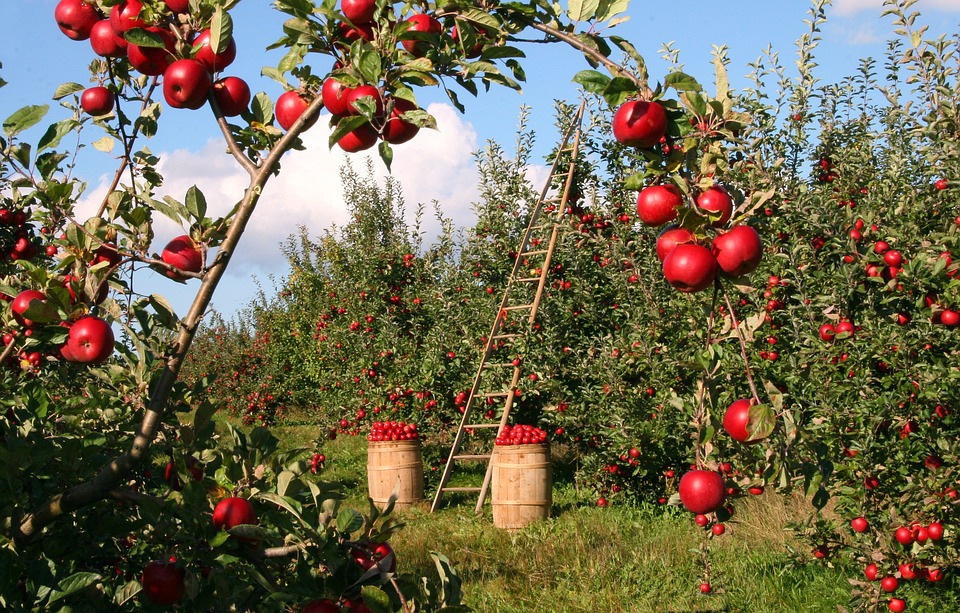
    3. Environment: Growing plants and trees for fruits and vegetables is great for our planet and seems to puts less stress on our resources than the meat and poultry industry. We all can do with more oxygen, soil, water and more food for the world and switching to a plant intensive diet helps us in going green and conserving our natural resources. Significantly less land is needed to grow plants than to feed cattle. When we promote plant foods we are likely to reduce global warming rather than cause more of it through harmful gases released by cattle farming. Increasing our consumption and hence demand of fruits, nuts and vegetables, especially organically grown without harmful pesticides or chemicals, is a great way to protect our world from global warming and industrial pollution.orchard

    Some of the reasons vegan diet in particular has been criticised are:

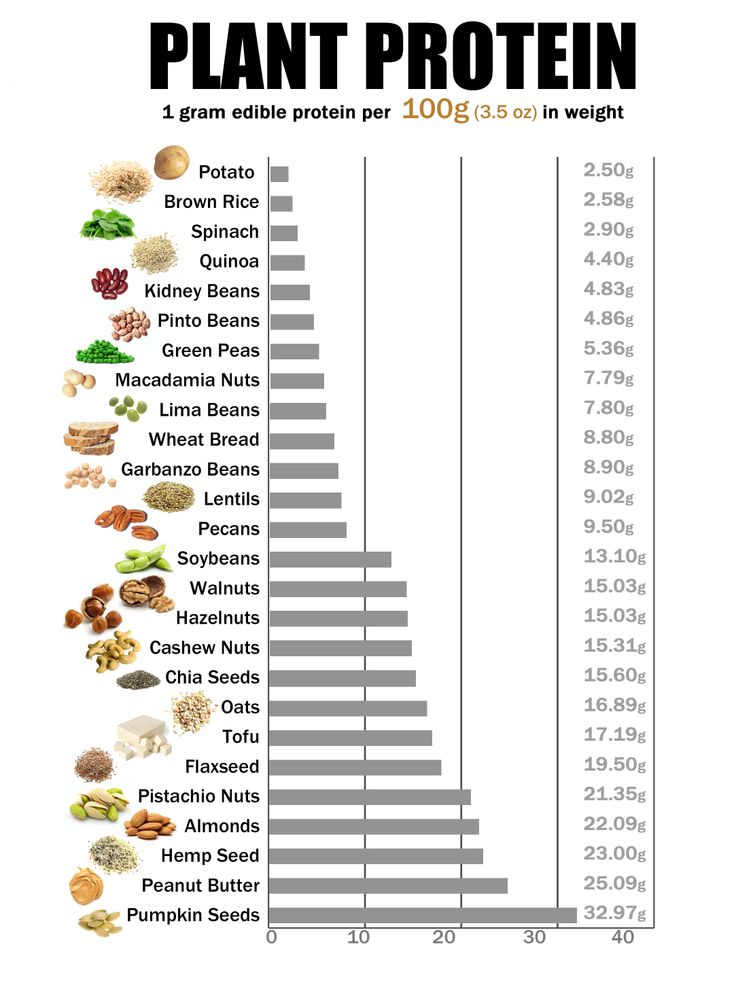
    1. Proteins: Those who claim that plant based diets are not rich in protein are not considering that most vegetarians consume legumes such as dal, nuts, peas, beans and other protein rich foods such as broccoli to a substantial quantity in foods. protein
    2. Calcium: It is not just milk but green leafy vegetables that are a significant source of calcium in our diet.calcium
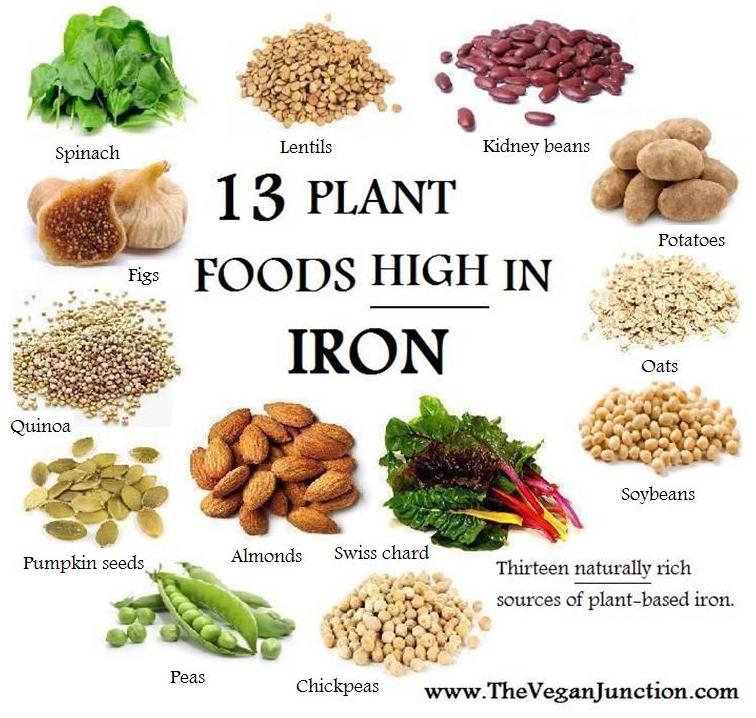
    3. Iron: Women especially require healthy amounts of iron in diet, and these can be found easily in vegan foods. iron
    4. Omega 3 fatty acids: Plant based sources of this nutrient are equally or more effective than fish based.omega3

    4. Vitamin B12: Neither plants nor animals are capable of independently producing Vitamin B12 which is only created by bacteria found in the digestive system. Vitamin B12 is excreted out of our bodies and not required in high quantities. Supplements and fortified foods are rich vegan sources of Vitamin B12.

    5. Vitamin D: The only way of obtaining this vitamin seems to be through daily exposure to natural sunlight or through supplements and fortified vegan foods.

    Looks like it is absolutely possible to remain healthy without killing ourselves or others!

    govegan