Tag: domestic abuse

  • Glossary of Narcissism to Protect Yourself From Harm

    Two types of people have mental health symptoms. One are those who exhibit difficult behaviours due to their narcissistic, unsociable and abusive personality characteristics or traits (as elucidated in this Glossary). The other are their victims who suffer from physical, financial, mental or emotional harm including Post Traumatic Stress Disorder, or Depression caused by such beings. While victims seek out therapy and support out of need, abusers are usually resistant to any interventions and often pretend to be victims themselves.

    Narcissism and Antisocial Personality Traits include a large range of behavioural symptoms that you can identify in your own dealings, relationships, or associations with these personality types or in day to day conversations with them. While Narcissists are demarcated by a solid ego and selfishness, Antisocial Personalities in addition include Psychopathy (emotional rigidity), Sadism (being happy if others are sad), and Machiavellian tendencies (exploitative and deceitful), that are less known in media and social media as opposed to Narcissism which is gaining prominence.

    An example of such behaviour traits include social apathy regarding the plight of victim animals in animal agriculture industries, and the behaviour of regarding human life as superior while harming other life unnecessarily and arguing against change. Another example is Domestic Abuse in which most victims agree that the abuser’s seem to have gone to the ‘same school’ as they exhibit such common traits and predictable patterns.

    While many people exhibit such traits from time to time, some people being disordered are marked by these behaviours to a clinical or sub-clinical level. Such personalities can be unchangeable and the best way to protect yourself usually is to identify them and to stay safely away, unemotional about them, and to go no contact if need be.

    Low Moral Compass: Not being able to understand what is good or evil in terms of moral values, kindness, compassion, being decent in behaviour, not hurting or harming others, but instead having own subjective basis or decision making or own set of rules based on convenience.

    Limited Empathy: Deeply lacking the capacity to think from someone else’s point of view when needed, but seeing things usually from their own limited perspective and standpoint rather than of the victim, or the one who is likely to suffer or be harmed.

    Poor Insight: Not being able to look within themselves or their own thoughts, behaviours, or beliefs in an objective or neutral way in order to discern right from wrong, or good from evil, but instead trying to be superficial in order to dismiss their own negative behaviour.

    Minimising: Making their abuse and its effects sound like nothing much happened and the victim is overreacting or being melodramatic or exaggerating something.

    Denial: Completely denying their own actions and its impacts on their victims, and lying that they did nothing wrong or that there is no impact of their behaviour.

    Cognitive Dissonance: Creating a strong yet false story or fictional narrative, oddly different than reality and selling it to themselves and others repeatedly, so that one is hooked on, overly attached to that core belief and unable to hear anything against it or change their patterns of thinking or behaviour.

    Projection: Transferring your own guilt to the victim by projecting your own traits onto them unconsciously, e.g. thinking the victim is at fault, angry, militant, aggressive, lying, and so on.

    Delusional Behaviour: To be completely sold to their own story in order to detach completely from truth or reality and to live in a false reality that has no basis in truth.

    Pretentious: Behaving more important than they are, puffed up chest or false demeanour and facial expressions, or acting cocky, using slang or accents.

    Seductive: Trying to woo you and charm you to trust them, meet them, listen to them, and to be engrossed with their world in order to relate with them.

    Oversharing: Starting a relationship by saying too much, being in love too suddenly, or taking things too fast, or getting intimate, over-interested or saying that they are compatible, right at the beginning, or starting at a very positive note to get you drawn in.

    Flattery: Appeal to your vanity or ego to make you feel obliged to engage with them. Praising you more than required, such as looks, your generosity, your intelligence, your kindness, or how much they admire you, or respect you, so as to get more out of you and to make you feel rewarded for being more sensitive and giving more time or patience to them.

    Sweet Talking: Calming you down by saying sweet words, sugar-coating their intent, or using diplomacy and psychological tactics to convince you that they are nicer than they actually are, e.g. saying honey, sweetie, my lovely, etc., taking you out to a dinner, or treating you well to get what they want.

    Cunning Behaviour: Trying to win favours, support, or deals, by luring you into their plans, and striking a negotiation when they are completely undeserving or wrong, especially when the victim is about to stop the association.

    Jargons: Impressing others with fancy words, vocabulary, words picked up from the internet or dictionary, so that others think they are very clever and smart as well as brighter than they actually are, for example in a job interview, or a date or meeting.

    Deceitful: Lying about their achievements, accomplishments and past background, so as to get a job, promotion, advantage in a social event, relationship, or victory in a battle.

    Future Faking: Overpromising what being with them or trusting them will eventually lead to and giving a false dream or expectation of reality when not really meaning the same, so that you get into bed, live with them, or offer them work, finances or any support that they need. Or making false threats or impressions that they are more capable for harm, more well connected and stronger as an enemy than they actually are.

    False Social Image: Using selfies, makeup, clothing sense, or style, fan following, likes, testimonials, or other techniques, to pretend that they are better than they actually are, or pretending to do things that enhance their social image or lifestyle, when they actually are only gratifying their own ego.

    Co-dependency: Making you so dependent on them that you cannot perceive a life or a moment without their support or relationship and cannot stand your own ground.

    Isolation: Taking you away from your supporters, family, friends, colleagues, or helpers, physically or emotionally, so that you depend solely on them and are unable to find any emotional, practical, or financial support or help when they abuse you. E.g. telling you that no-one really loves you apart from them, or to split your business partnerships or other significant relationships by making you feel upset with others, or make you move away physically from them.

    Alienation: Making others withdraw support towards the actual victim at the crucial moment, and align instead with the abuser, by manipulating others with lies or false impressions, so that the victim has no-one to fall back on. e.g. parental alienation by making children feel more connected emotionally with the narcissistic parent.

    Selfishness: It is always about their self gratification and to make them the key person, such as getting their happiness, career success, wishes fulfilled, enjoyment, travel, sexual satisfaction, and so on, not about yours.

    Controlling behaviour: Make others their puppets to do what they desire, or for everyone’s life to revolve around their plans.

    Narcissistic Supply: To receive something out of someone in order to fulfil own needs or wants, e.g. a vehicle ride, a job offer, romance, children, and then hop on and hop off a relationship or to move on to the next victim, next target, or next destination or goal or adventure in life instead of reflecting on what went wrong and on their own role in it.

    I, Me and Myself: Using these words a lot when making plans and discussing things with you or others based on their desire or ego, and overlooking the needs of others.

    Ego: It is always about what is in it for them, they are not giving, generous or charitable by nature except when they want to appear good for a hidden purpose.

    Give Breadcrumbs: Gifts that do not mean much or are less valuable as a form of abuse, or without much love or special words, or meaning, especially when you are trying to move out or leave or if they abuse you.

    Devaluation: To make you feel worthless and insignificant or unloved, and to put you down.

    Trauma Bonding: To make you long for their company or crave their time or affection by withdrawing and resuming the relationship.

    Humiliation: Degrading you or insulting you by calling you names or ridiculing you with gestures, words, jargons, or abusive behaviour, to make you feel you are stupid.

    Gaslighting: Make you feel you are mentally ill, psychotic, or crazy due to your innate behaviour even if they are the ones causing you to be stressed.

    Silent Treatment: Not talking to you and cold treatment as a form of punishment.

    Self inflation: Making their ego larger than life so as to make them focus on you and to make themselves the centre of drama or attention.

    Tantrums and Melodrama: To draw attention, as well as risky behaviour, suicide, sudden outbursts that are well planned.

    Covert narcissism: To make you pity them and feel sorry for them and to ask for sympathy as a means of getting attention.

    Grandiosity: Making themselves feel more superior by exaggerating facts such as their race, looks, family origins, caste, business, finances, intelligence, certifications, degrees, status, and so on.

    Toxicity: Being too positive in a toxic way or too negative or criticising, inappropriately, so as to make you feel unhappy about yourself and your life and make you stressed up.

    Narcissistic Rage: Sudden anger when you realize what they have done or seem to gather strength in order to express yourself.

    Revenge Tactics: Reacting against you or making allegations and complaints against you if you speak against their abusive behaviour or disclose it or report it. Or using revenge porn, further abuse, fighting at court, or other revenge tactics to get even with you.

    Emotional Blackmail: Make you feel obliged to do things their way or the highway, by making you feel as if something really bad could happen otherwise.

    Threatening: Lying or actually threatening to do something bad against you or your family members to scare you and make you do what they want, with physical weapons or without.

    Intimidation: Acting more superior and aggressive or dangerous in order to make you respect them and obey them and to dominate over you, or terrorise you.

    Objectification: You are not treated like a person with your own personality, wishes, and needs, but just as an object, or their property, of some economic or personal value or gainfulness to them. Treating you as a commodity to use, or even throw out when unnecessary, spent, or worn out, rather than as a distinct individual.

    Slavery: Using you as a slave who satisfies them or works for them, e.g. providing them sex, food, ego boost, arm candy, meeting needs of their family, working in their office, helping out others in their life, and so on, without any equivalent return to you and often against your true will as an obligation or taking you for granted.

    Exploitation: To use you as a means to an end, especially in a Machiavellian way, to gain a benefit out of you or your work without due credit or enough reward to you so that they receive the credit, result or benefit but not you.

    Lacking Object Constancy: Not being able to retain a bond or a relationship for a reasonable amount of time, even if one is upset or angry or traumatised temporarily and not giving people another chance or an opportunity to change their behaviour or learn something when possible and appropriate.

    Triangulation: Talking about others, so as to make you feel less important or jealous, e.g. family members, an ex, other friends, or colleagues, or someone who have a crush on them, or whom they seem to like.

    Divide and Conquer: Spreading discord within home, group, family, or colleagues, so that people are unable to resonate with a common purpose and the seeds of conflict are sown in order to harm certain victims who are progressively isolated and targeted slyly.

    Enablers: Those who allow narcissists to continue their behaviour by being apologists, and not saying much against them in a clear enough way, to avoid conflict or even placate them, or at times side with them, thereby absorbing their behaviours and letting abuse go on unperturbed. Not being violent themselves but also not taking a stand against violence. At times engaging with them and being peace-able or trying to make victims achieve a compromise against what is good for them.

    Passive Aggression: Tactics to devalue a victim without physical or overt violence by making sly remarks, facial gestures, inappropriate jokes, making a dig, or having a slight go at them in a wrong way.

    Minions: Try to use others to carry out their agenda, to talk against you or gang up against you and pull you down or to speak their words with full faith in them, such as fan club or those used for goodwill or even paid.

    Flying Monkeys: Sending others to warn you, threaten you or harm you, to do their bidding.

    Scapegoating: Treating one child or family member as less important than other, emotional neglect, as opposed to the Golden boy or girl who is valued and appreciated.

    Parentification: To make a child feel more responsible than they are capable of such as making them work, be your assistant, making them do things for you or care for you, and giving you attention and services, sex, food, company, or anything that an adult is expected to do, such as a spouse, especially when in conflict with a spouse.

    Reverse Blaming and Shaming of Victim: Suddenly becoming the victim themselves to get pity of others and to blame the actual victim of narcissism behaviour or any abuse.

    Smear Campaign: To spread false stories and lies about you and make you feel as if you are the bad person, on social media, in social circles, among friends, family, relatives, media and so on.

    Manipulation: Using lies to distort truth and to make others see their point of view with well orchestrated efforts to get everyone to support them.

    Ghosting: Suddenly disappearing on you without any fault of yours to make you feel unwanted or confused and to keep you looking for them.

    Hoovering: Trying to stop the victim from sliding away by sucking them back into the argument, making them feel like they are special, making them feel listened to or giving a false impression that things will change in a more positive direction henceforth.

    False Tears: Crocodile tears to make you feel guilty and to make you feel like you must love them and feel really sorry to them.

    Acting: Practicing what to say in front of the mirror, repeating dialogues of imagined conversations in the mind, preparing well for putting on a show, or behaving like a character from a fictional story or movie.

    Selective Listening: Not focusing on what you are really saying but only on what they would use in their own arguments or agendas, especially against you.

    Love Bombing: Rewarding you when they want to by showering you with affection, presents, hugs, sexual intimacy, kisses, etc., out of the blue.

    Entitlement: Wrongly believing they own you or are supposed to get something out of you or the relationship, whether emotional, sexual, financial, comfort, service, or otherwise.

    Idealization: Making a false expectation of what they want from your association or relationship ideally, so that you feel as if you may not be good enough unless you live up-to their unreasonable or unrealistic standards.

    Self Deprecation or Self Criticism: Making themselves sound very humble and gentle, or well behaved by cleverly using self deprecating terms or by criticising themselves covertly, to make you praise them as a form of reverse psychology tactic.

    Wearing Out: Making you feel so tired, sleep deprived, exhausted, fed up, and stressed that you have no capacity to fight anymore and simply accept defeat or give in to your circumstances.

    Confuse, Distract, Bewilder: To draw attention away from their own behaviour they would confuse others by saying something completely unrelated, or distract attention to a joke, or point out towards superficial or minor issues to make everyone go on a wild goose chase.

    False Apology: Saying sorry in a way that put the victim as the faulty person indirectly, for example, ‘sorry that you lack empathy’, or ‘sorry that you are not emotionally available to me’, ‘sorry that you do not know what you are losing’.

    Physical Violence: Making you fear them using physical hitting, injury, slapping, beating, strangulation, pushing, pulling, shaking, or any other physically hurtful behaviour with or without physical injury.

    Sadism: Making others feel hurt physically or emotionally, or cause trauma, or make someone cry, to feel better about yourself, to feel more powerful, grandiose, capable of harm, or to enjoy the sense of inflicting pain or sorrow on others.

    Masochism: Hurting themselves or attempting suicide, deliberately in order to feel more deserving of love, sympathy, pity, reward, affection, or for any other reason.

    Coercion: Making you feel talked into something you actually did not want to do but were instigated or commanded into doing, or being obliged to co-operate for fear of letting someone down, or making them insecure, hurt, or unwanted, including being coerced into doing something illegal or immoral.

    Sexual Violence: Sexual manipulation by making you drugged or secluded, sexual control or coercion by making you respond in-spite of not actually wanting it, sexual cheating or adultery, sexual intimidation by showing body parts or images forcibly or weapons, forced penetration or rape, sexual harassment by sexting or repeatedly asking for sex or intimacy till you are fed up or give in.

  • 14 Ways in Which Abusive Parents Damage Children

    14 Ways in Which Abusive Parents Damage Children

    In the current matrix we are surrounded by people who may not be human, including those who are not even our real families although the matrix ‘virtual reality’ simulation system through a set of artificial stories fed into our brain wants us to believe they are our ‘home’.

    Domestic abuse and family based violence including sexual abuse, wife battering, marital rape and child abuse are all crimes but very very commonplace in the matrix of human law. Legal systems all over the world are inadequate and implementation disastrous. This leads to abusive parents damaging the psyche and lives of children, not limited to physical damage alone. Unfortunately common public and welfarism based law recognises physical damage alone and focuses on superficial welfare of child in terms of education, stability, autism and so on and ignores the imapct of domestic violence on children. Medical professionals seem concerned only in those cases where someone is hospitalised due to strong physical violence or aggression leading to bleeding or limb damage or death, and ignore the heavy mental damage which is perpetrated by violent parents against the welfare of their children in the following ways:

    1. They Ruin the Sleep of Children: Shouting day and night, abusive parents torture their victims mentally so that they cannot even sleep properly, get nightmares and being harassed mentally do give in to the demands placed by the abusive parent. Children listen day and night to shouting, get up late for school, get drained of energy and unable to perform well academically, unable to enjoy the day, feel blocked mentally and spiritually and cannot even remember their dreams that are frequently troubled. As a child we remember dreams of scary monsters who could be our own abusive family. Witnessing domestic violence can damage children forever, yet abusive parents have no empathy and lack insight into their behavior and its impact on child.
    2. They can Kill: Abusive parents can kill their children and mothers who are trying to escape from them. They demand compliance to their own wishes and feelings from their wives and children who are considered by them as properties meant to entertain them, support them, supply them food, sex, enjoyment, companionship and so on. If not they can be so angry and violent that they can even pick up a knife and threaten to kill with it. Unfortunately a lot of children as per Women’s Aid report do get killed by abusive dads. Children and mothers who are being abused, threatened or hurt cannot even call police as their phones are monitored and snatched by the abuser.
    3. They Teach Wrong Behaviour: Abusive and narcissistic parents are poor role models and teach wrong things to the child. Children learn that it is alright to get what they want using violence, hitting, pretending to cry, tantrums, anger, coercion and emotional abuse. Children learn emotional blackmail and crying false tears. They teach children to value vanity and false social image instead of being honest, heart-centred, truthful and integrity based. They tell children to lie and keep their dirty secrets and to not share what happened behind closed doors. They teach how to be ruthless, selfish, hedonistic, gluttons, greedy, and neglectful. They also lack sense of hygeine and neglect child’s nutrition and grooming and seldom train child on how to cook and look after himself or herself, to grow food or to practice environmentalism. They teach senseless religions and artificial spiritual values to children and make them pretend to be ‘good human beings’ just like them thereby fooling the world.
    4. They Turn Child to Reject Mother: The common factor in many domestic abuse cases is the abusive parent telling negative things to their child (and to all other people) regarding the other parent. In some cultures abusive parent and relatives manipulate the child against the other parent to prevents the other parent from being able to help the child grow up safely or get help from others. Children shout and scream at the abused parent or even hit them due to learnt behavior pattern since childhood. Young children can be turned overnight against the other parent to make him lie and refuse to see the other parent. Grandparents are also instrumental. Violence runs in the family lines which are patriarchial and they aim that children align with them.
    5. They Pressurise for Contact: Absuive fathers use the family court and legal systems to chase up the victims even after they flee and trace them down by making complaints against mothers stating they are creating ‘parental alienation’. Location is repeatedly exposed to them enabling them to be violent against their victims again. The fact that parental responsibility is shared equally between mother and fathers in developed nations goes against the abused parent who is normally the mother, and against safety of child who is treated as a responsibility of the abusive and abnormal father although they are irresponsible. To prove the facts using video recordings or eyewitnesses is very difficult in court and police usually takes no action leading to contact being ordered aginst the best interest of child even if child refuses contact.
    6. They Hit Child: Many of our parents were abusive in most cases in the past and hit us or slapped us when angry. This is a crime but a lot of countries consider it to be normal and allow it as a case of ‘disciplining’. You do not have to raise your hand to discipline a child, or even your voice. But in case of little children stating that child was not listening to the parent is a common excuse of abusive parent to hit the child. The instance a child is slapped it affects the mind of the child so deeply that it leaves a permanent mark. Unfortunately some parents routinise corporal punishment and consider it as a common occurence and as their ‘right’. They can also use other weapons or ways of hitting child.
    7. They Insult and Belittle Children: To make children subservient to them they speak rudely to the child in an important tone or high pitch or in a nasal voice and use gestures that are intimidating. Showing angry eyes widened in a threatening look, showing the stiff palm to threaten violence, hands on the hips to shout at them, pointing fingers, throwing away books so that child listens when he is reading, taking away their toys, not giving pocketmoney, withdrawing praise or affection, punishing child by way of cold treatment or time-outs, crying to child and making child feel they need to sympathise with them, making children feel guilty and answerable to the child or grandparent, all are abuse. They can threaten to ‘throw you out’, ‘lock you in the shed with spiders’ and make children feel they are shameful, stupid, worthless, terrible.
    8. They Want Child to Obey and Respect Them: Abusive parents want control. They exercise control over whom they consider vulenrable and unable to defend themselves – most likely to be children besides mothers. They can make you want to worship them by telling tall tales about their heroism and making you rather fond of them. They load you with gifts and praise and treat you as their special or ‘precious’ or their ‘pup’ ‘pet’ like a little dog taken away from mother and made dependent on the new ‘owner’. They also make you their slave at home asking you to iron their clothes or polish their shoes and to bring them tea or wash dishes.
    9. They Load Child With Expectations: They interfere with every decision a child makes regarding what subject to choose in courses or college, who their friends should be, what a child should should think, what hobbies they should have and whom they should date. They take away the child’s will power, imagination, sense of freedom and personal choices. Not only that they make you feel grateful for this and demand respect, love and admiration. expect them to do even better for them, for the family name, for grandparents and blame child for not doing good enough in what they want them to do. They could also use child to earn money or bring them popularity.
    10. They are Jealous of the Child: A strange thing about living with domestically abusive family members is that when you have a baby they seem happy outwardly as a gimmick of family values and sham cultural showing off, but in reality they are jealous of the child. They are especially unhappy that the woman gives her breastmilk to the baby and want to control breastfeeding and parenting. They are narcissists who want the entire attention of the family towards themselves and when their routine of movies, outings, travel, sex and shopping is disturbed due to presence of a young child or baby who needs immediate attention and care, they are shattered.
    11. They Do Not Prioritise Child: An abusive parent does not want to take breaks from career or prioritise the child’s needs above their own. They also feel that mothers should keep earning money right through pregnancy or after and make grandmothers or maidservants look after child, although untidy, underqualified and old fashioned and can harm the child instead of helping. Instead of learning parenting they consider having a baby in the household as an opportunity to show-off their rudimentary methods or to get grandparents or relatives interfere and dominate over mother to disrupt right parenting so that child is not benefited.
    12. They Make Child Poor: Abusive parents have no sense of priority to a child’s needs for financial stability, funding or saving for education, inheritence or even a decent livelihood. They make ‘by-products’ of children just for their own hedonism or sexual greed and to bring a ‘toy’ into the family to play with even if they lack means to bring up child into the world properly. They ruin family’s money by their irresponsible behavior losing jobs, gambling, alchoholism, cigarettes, drugs, wasting time, starting wrong businesses and making poor investments. They control and ruin well established businesses of other parent and sell away property. They are penny-wise and ‘pound-foolish’ to save small amounts of money by not buying basic good quality clothes, shoes, toys, bikes or school material for children even if they have funds.
    13. They Can Sexually Abuse Child: Abusive parents not only cheat on their partners and abuse them sexually, they also sometimes can be abusive to their own children. They can display the ‘lewd gaze’. They also allow you to be abused or harassed by rich relatives such as uncles in return of their presence or support to them or their siblings. Upon rejection by their abused partner, they can often use their child as their new ‘muse’, taking them around town with them for parties, to movies, shopping, to hobby classes or their office to fill up the gap. At times they coerce or assault children sexually.
    14. They Teach Animal Abuse: Children are usually kind hearted and hate abuse towards animals. When they talk about the disgusting taste of meat of animals, eggs, honey or dairy and the smell of leather, to question its origins, abusive parents who dislike animal rights and are narcissits encourage children to use animal products. They seldom rescue farm animals and instead buy pets as ‘toys’ to have fun with. They will brainwash you into their ways of living and lying that animals do not feel anything and were meant to be eaten for nutrition and their offspring, secretions or skin stolen. They boast about and normalise fishing, hunting and specieism. Such parents believe that ‘might is right’ and superiority is everything.

    People in the matrix are trained to imagine that we need to love and respect our parents, but with the help of tools such as the Bible that teach us false Luciferian and Satanic concepts of condoning rape, domestic violence, animal farming, slavery and child abuse. We need to be able to speak up and let people know what is going on so that the chain of abuse is broken, violence is not condoned and our children are safeguarded in the absence of police and legal support due to lack of direct evidence. Also these abusive people never change and it is hopeless to put any sense into their heads as they lack empathy and are usually not of human intelligence or consciousness to be able to introspect at all. They continue to lie, pretend and manipulate everyone and decieve their children and also turn them into abusive people themselves. They are your matrix family, inculcated in your mind through artificial simulation using false memories – they are not your true family and you are not home.

  • Six Ways to Free Yourself from Domestic Abuse

    Six Ways to Free Yourself from Domestic Abuse

    In the human world one of the most common crimes is also one of the most underreported ones. Domestic Abuse. Primarily associated with partner crimes and violence against women and children, domestic abuse is common in almost every nation of the world as a gender liked crime, although sometimes men claim to be victims too.

    Most of the times cultural norms and family expectations force people to be mute witnesses and victims, having little or no way to escape once in a domestically abusive family situation. So how does one free oneself from the dramas:

    1. Being Aware: In schools and colleges we learn a lot of things but not always those things that matter. We are infact abused and controlled throughout our schoolage by parents, teachers and relatives and for most of our lives we remain unaware of the fact that we have been abused. For example control and coercion is not always recognised as abuse although it is fairly common. We are taught about academic subjects that help us join the workforce and contribute to the economy and not necessarily those things that help us evolve into better humans, such as self respect, respect to others, consensual sex, sexual and reproductive freedom, human rights and child rights. We all need to complete basic education and courses such as The Freedom Program. Learn about all aspects of domestic abuse, its signs and symptoms such as economic abuse, financial control, dowry, forced marriage, mental harassment, sexual control and coercion, physical violence, emotional abuse, blackmailing, threatening, turning children against you, revenge through cross allegations made once you report crimes, blaming, denial and minimising abuse, lack of empathy and physical or mental control.
    2. Learn about Laws: Laws concerning gender, crimes, domestic abuse and marital rape differ from nation to nation. In some countries such as India marital rape is still not illegal. On some countries such as those in middle east, women are punished for simply refusing to cover up their body or face or flogged. Hence the laws themselves abuse women and control them in ghastly ways. Depending on the country you live in you can decide to educate yourself of the laws and if they are regressive you can find ways to leave the country through higher education and start new chapter or find support in gaining some independence. Activism and joining movements to liberate other victims like you can help create social change. Human laws are impermanent and can be altered to evolve with times. Writing to government agencies and ministries and signing petitions can also help in initiating change through advocacy.
    3. Be Independent: Financially and emotionally women and taught to have a man in their life and get married in many cultures. These are the same cultures that value childbirth and use women for reproduction and as sexual slaves or domestic workers within marriage. Household chores, childminding and sex are the roles attributed to women in these societies where marriage is highly respectable and being a mother is seen as the highest role for a woman, especially producing a male child. It is time to shun such conventions. If marital rape and domestic abuse are norms in your country then it is advisable not to get married in such a culture or with a man from this kind of an upbringing and to focus on career or personal and sexual freedom. Women more often than men are not always interested in sexual subjugation and physical relationships, and value deeply emotional connections instead of sexual ones. In human world, unlike rest of nature women have considerable bleeding in periods and PMS although other species have very little or no bleeding. We are also forced to mate more often than needed as per our once a month ovulation cycles would normally permit and to continue being sexually active even after menopause. This is because of the ‘matrix’ brainwashing women through media to be sexual beings in service of men who control them making them feel stressed, feel less in power of their inner self and disconnected from nature.
    4. Spirituality: It might seem off the topic but having an interest in spiritual rather than physical, material and sexual aspects of life can be very liberating from a karmic perspective. Being engrossed in relationship entanglements, family dramas, property battles and children will not allow us to meditate and develop our ascended powers. New age, occult and tantric ideologies sometimes confuse us to follow a ‘balanced’ path of material, spiritual, sexual and sensual enjoyment as a part of new age spirituality. This is simply another trap in the matrix that wants to control us and keep us entangled in daily life maya. The path of ascetic spirituality is a celibate path and not one of sensual temptation that is simply the matrix controlling us and creating illusions in the hologram through five senses. Once we are domesticated it becomes very difficult to seek liberation from the matrix as we are continually forced to earn money, follow conventional lifestyles and live for our children who are forced to grow up in the same system of the matrix as we did instead of learing off the grid, spiritual and eco-conscious ways of life.
    5. Visualise and Manifest: Your mind creates your own illusion of life and by thinking and visualising a certain situation you put energy and intention into it. However you also need to clear and cleanse the negative programs in the background, in your chakras and in your inner energy field where your memories, emotions and karmic baggage is stored. Very important is to get rid of the false ideologies that keep you engrossed in victimhood, ideas about ‘being compassionate towards abusers’, ‘accepting people and continue being with them’, ‘making peace with your circumstances and accepting the way things are as unchangeable’, ‘trying to meditate and stay calm if someone is abusing you’, ‘being vulnerable’, ‘allowing people to be themselves around you and do as they will even if they harm you or others’, ‘showing your other cheek’, ‘forgive and forget’, ‘unconditional love of others and not yourself’, ‘giving not receiving’, ‘visualising that others have changed instead of visualising a change in your situation’ and so on. These false beliefs do not serve us.
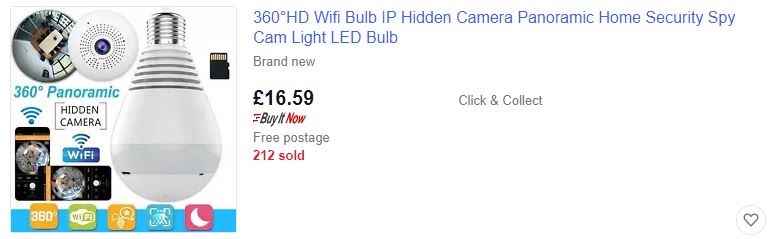
    6. Establish evidence: Domestic abuse agencies, police, social workers, media articles as well as training programs will always encourage you to report crimes and ‘come out with it’. This is sadly not something that always results in your being supported as a ‘victim’ once you report the crimes. The police and courts will want evidence of crimes and this is not just your reports or that of your children who are witness or victims. The law demands third party witnesses who have directly seen crimes and recorded evidence in most cases that are very difficult to obtain because they happen behind closed doors. If you just run away after reporting domestic abuse or rape, you are liable to suffer the hardships of legal battles over child custody and property later on unless you reach an out of court settlement with the abuser which is impossible if they are of unreasonable behavior and selfish as may be their family members. Hence in many cases you need to collect photographs of injuries or use spy cameras wherever possible and also talk to neighbours, medical professionals and family friends so that they can report incidents overheard or seen by them promptly as soon as they take place else the same will not be accepted if delayed by a long period of time. If there is no evidence the only way to be free yourself is to remove yourself from the unhealthy relationship where you can never be found again by the culprit and change your identity which is not always possible if you are a public person or have an established business or career and not enough support in moving away. Even if you do go to a refuge or take support of relatives, you still risk the prospect of stalking and harassment once abusers try to find your whereabouts using law, especially if you have a child they have parental responsibility of.

    Here are some modern technologies that can assist you in evidencing this heinous crime and being free from a legal and long term perspective which can help limitedly based on the laws of your land.