Category: Plant Based Health Guidelines

Articles on plant based lifestyle from the health and diet pont of view and regarding how to protect from any negative energy food items that bring our wellbeing and positive energy down, for our mind, body and spirit to be healthful.

  • Veganism Coronaviruses and Other Human Diseases: Part 4 Dangers of Dairy

    Veganism Coronaviruses and Other Human Diseases: Part 4 Dangers of Dairy

    A lot has been covered in this series of articles about various diseases and pathogens related to animal products and animal farming. A special mention needs to be made regarding dairy, for the simple reason that many lacto-vegetarians, believe themselves to be morally as well as health-wise in a good enough position, while consuming dairy products when the dangers of dairy are far too many to mention or cover in one article. We have already checked on possible connection to Diabetes, Cancers, Heart Disease, Parkinsons, Autism and several other concerns in previous articles in this series.Part 1, Part 2 and Part 3.

    Dairy industry has recently been contaminated with none other than the Covid-19 strain of coronaviruses leading to deaths and infections of employees such as in a UK farm. However the dairy industry has tried to ‘fight off’ the threats from coronavirus and attempted to fool consumers into believing that dairy products are nutritonally required and may even prevent diseases such as covid-19, a claim that was debunked recently.
    A research as far back as 2013 had detected coronaviruses in dairy products studied by random sampling of 100 samples. Upon detection of rota virus and corona virus antigens researchers found that processing of several cheese, yogurts and dairy products could not eliminate rota virus and corona virus as infected milk is used due to insufficient heat treatment and bad hygienic measures.

    However covid-19 is not the only risk. Research typifies that dairy products are frequently carriers of dangerous diseases such as leukemia (cancer) viruses that can affect human cells and cause various cancers such as breast cancer (Milk of dairy cows frequently contains a leukemogenic virus, JF Ferrer, SJ Kenyon, P Gupta, Science 28 Aug 1981: Vol. 213, Issue 4511, pp. 1014-1016 DOI: 10.1126/science.6267692). In 2007 according to a USDA testing report, Bovine Leukemia Virus or BLV is present on the majority of U.S. dairy operations with more than 80 percent of small or medium herd sized dairy units contaminated with BLV while ALL OF the large herd dairy farms had tested positive BLV in their milk tanks (100 percent). As descrided in earlier articles in this series BLV can also cause several other varieties of cancers such as lung cancer too. An independent follow research in 2015 established that BLV-DNA in breast tissues was strongly associated with diagnosed and histologically confirmed breast cancer, and as many as 37% of breast cancer cases may be attributable to BLV exposure.

    According to (the obviously very poor) international hygeine standards of developed nations, pus cells allowed in milk in Europe are 400,000 per ml, in USA are 750,000 per ml and bacteria 100,000 per ml, while in Australia there are no limits. The article linked herein contains graphic details of dairy industry as well as how poo may be normal in dairy with milk recalled only if has ‘too much poo’.

    The Agriculture and Horticulture Development Board of UK has stated ont their website, ‘The list of potential diseases affecting dairy cows is almost endless with some diseases more significant than others.‘ Some of the ‘more common diseases’ enlisted (with many others naturally unlisted) were Tuberculosis, Brucellosis, Pneumonia, EColi Diarrhoea, Viral Diarrhoea, Leptospirosis, Salmonella, Septicamia, morbid viral Bluetongue, unexplained bleeding calf syndrome, sexually transmitted vaginal campylobacter causing abortions, utrine endometritis infections, viral herpes and conjunctivitis, abdominal displacement and inflammation, ulcers and lameness leading to foot trimming, foot and mouth blistering infection spread through milk, meat and breath leading to death, ketosis in milk and urine, John’s stomach disease bacteria that are heat, cold an drought resistant and can survive in soil for more than a year, and even longer in water, possibly linked with human Crohn disease (infected animals shed the bacterium in manure, colostrum, and milk), flatworm liver fluke (spreads to humans), bacterian mammary dermtitis (causes lesions which have a characteristic pungent smell, a moist exudate and dermatitis which are generally at the front of udder).

    Similarly another leading study finds that dairy foods must be monitored extensively to control pathogens as they caused 14% of foodborne illness and 10% of deaths during the period of 1998–2008 in USA alone making them the second largest source of foodborne illnesses (presumably after Norovirus most commonly found in seafood and plants contaminated with animal manure). But why have humans started consuming other animal’s milk, something that no other specie is foolish enough to consume?

    Cows were not always the tame and filthy species they are currently. The now extinct Aurochs (wildoxes) are the examples of animals that cows and bulls have descended from. A major internatonal genome study cited in University College London has concluded that all cattle are descended from as few as 80 animals that were domesticated from wild ox in the Near East some 10,500 years ago. Compare that with the 80 billion land animals killed anually just for food and we know the extent to which we have degraded our environment, deforested, caused wildlife extinction, slavery, cruelty, water, land and food shortage and a plethora of diseases leading to climate change as well as possible human extinction.

    The enslavement and hybridisation of species has led to creation of our domesticated cattle used for milk production and invariably slaughtered at the end of their life for beef and leather, both of which India is well known as among the largest top exporter of. As a by-product of artificial human-aided selection process of cattle, certain characteristics needed for survival in the wild have or reduced over thousands of years, including the capacity to look after and rear their infants and provide them emotional warmth.

    They are simply changed into an artificial species like other domesticated animals such as dogs and cats have also become, incapable of living a natural life. Humans are one of those too, artificially domesticated species now who are nothing like their original primate self, but trained to be artificially omnivore, sold lies about paleolithic stoneage ‘humans’ who wore leopards and ate up giant wooly mammoths instead of wearing leaves and ferns and consuming foliage and fruit that are plentiful, migrating into inhospitable climates and destroying nature by burning fuel, deforesting wildlife and domesticating animals.

    Domesticated species such as cows, also became increasingly diseased, having lost capacity to feel for themselves, look after themselves naturally and with diarhoea, pain, infections of udders, bloating, drugs, antibiotic resistance, several pathogens and discomfort, including stress of what else but losing their own children and being killed horribly and controlled severly throughout life so as to have no sense of freedom or joy.

    Cruelty in dairy industry is rampant with infants separated traumatically from mothers who bleat over several days as their infants are sent to slaughter if male and for sexual enslavement if females. Cows are inseminated forcefully which is no different from rape and are turned to breeding and milking machines while males are also sexually abused for semen collection if not killed for veal. In states of India where cow slaughter is inconvenient due to laws prohibiting the same, they are cruelly transported to states where it is legal or to neighbouring countries and skinned alive or killed cruelly for leather and beef.

    Inspite of all this rape and cruel slaughter, dairy industry has been edified by way of religious propaganda both in the east and west to fool people to become diry consumers although humans are generaly lactose intolerant and kind people who dislike animal cruelty. The article linked herin gives a rather lucid timeline of dairy.

    Pasteurization was introduced in the 1800s due to the terrible diseases and germs caused by dairy that was destroying human health. In the late 1990s due to pressure from economic cartels of dairy industry a food pyramid recommending daily servings of dairy was advertised through media to the ignorant masses in order to fool them further. Artifical bovine growth hormones were heavily passed off with controversial initial studies declaring that they do not pose risks to human health although major risk to human health was debated.

    However leading studies explain that pasteurisation is not always effective and need not destroy all foodborne pathogens in dairy products or the contaminated biofilms or industry workers exposed to raw dairy. Basically the very practice of rearing infected and diseased animals can cause spread of germs to human beings no matter how well you pasuteurise or cook the disgusting germ-filled items sold to ignorant masses using advertising and mal-education.

    Another study mentioned in addition that fungusy dangerous moulds, mainly of species of Aspergillus, Fusarium, and Penicillium can grow in milk and dairy productsproducing mycotoxins which can be a health hazard. yet people crave the stinking smell and dangerous taste of cheese which is basically coagulated pus and germs.

    Whether through dairy and other animal products and animal manure that contaminated edible organic vegetables, humans are in danger, especially due to dairy products as described in this scientific review. For example Listeriosis may not necessarily be controlled through pasteurisation and can cause meningitis, infectious abortion, perinatal septicemia or permanent mental retardation. Dairy industry states pasteurisation kills the bacteria, but the report mentioned there is some concern that in the intracellular phase (in leucocyte) it may survive conventional pasteurization. (The entire research seems to be sponsored by animal industry as the paper states – a contribution from the College of Agriculture, University of Wisconsin-River) and seems to an example of how the ‘dairy industry’ has fought off consumer awareness through advertising and PR campaigns to brush off the sagging image and to create ‘awaress’ about how they ‘control’ the numerous pathogens found naturally in diary and how they need to take ‘more efforts’.

    Due to mastitis, a bacterial infection of udders being painful and common in over 25-60 percent of cattle, antibiotics are also injected and are passed on to humans by way of animal products such as dairy as mentioned repeatedly in various studies.

    Clearly with so many germs in the udders and inside that go into milk and urine, vaginal and anal secretions that milk may be contaminated with, should dairy be merely pasteurised or just avoided altogether, especially when some of the germs and viruses cannot be killed through pasteurisation. We do not need dairy just as no other animal species needs to consume another species milk.

    How can it be that even when common sense tells any human being that taking secretions or dead bodies of an animal and consuming them will be impure, and plants are much cleaner. When so much evidence is there for not one but a plethora of diseases – that human doctors, leading surgeons, local physicians and international celebrities still consume dairy and other animal products?

    How can it be that we trust these great doctors and scientists when they are themselves totally unhealthy consumers of animal products and unaware of very basic and simple concepts – such as killing or breeding animals is sexually abusive (rape) and murder and thus morally wrong as well as unecessary. Or that, consuming animal corpses and secretions will cause significant pathogenesis due to germs as well as deadly diseases like cancer, diabetes and heart disease? How can it be that well educated and well-established people, politicians, businesspersons, teachers, lawyers, judges, doctors and medical scientists still consume animal products in their personal life – what credibility can they have if it is common knowledge that it is wrong, unethical and gross but they still refuse to even go vegan, which is such a simple change to make conveniently in modern life? And why do schools and colleges still serve dairy and other animal products and teachers mis-training children to continue using them in daily life?

  • Veganism vs. Coronaviruses and Other Human Diseases: Part 3

    Veganism vs. Coronaviruses and Other Human Diseases: Part 3

    Coronaviruses are groups of contagious pathogens that can infect respiratory tract causing flu like symptoms. Influenza and common flu are also from animal farming and now part and parcel of our human existence as we have normalised illnesses. Various studies indicate that most flus are due to animal pathogens such as varieties of coronaviruses already existing even before the novel covid-19 strains were found.

    1. Did you know that coronaviruses were found for the first time among chickens in 1930s and then in mice and jumped to humans in 1950s and 1960s followed by pigs as per scientific research papers?
    2. Another form of coronavirus in cows, BCoV was accidently discovered by Mebus et al at the University of Nebraska in 1972. They found that vaccinated calves in dairy and beef industry developed diarrhea later than expected with rotavirus, and their feces were free of that microbe.
    3. There are many different varieties of coronaviruses linked with animal agriculture including chicken, pigs, bats and camel related coronaviruses. While science papers inform us that coronaviruses have been connected with animals for a long time they refuse to educate the public about the importance of outlawing or banning the animal farming, exploitation and trading industries that we need to achieve immediately. Animal agriculture is also responsible for variety of ailments that cause suffering and death to humans and not just immeasurable pain to animals of other species.
      Two prior articles written by this author have examined plenty of medical research evidence to demonstrate how animal products are linked with several deadly diseases. A previous article in this series touched upon Bovine mad cow disease and human versions of Jakob’s disease, animal manure infections, toxoplasmosis, brucellosis, parasitic worms, eye diseases, type 1 diabates, AIDS, rabies, acne, eczema, dermatitis, skin cancer, anxiety disorders, schizophrenia, while the first article in this series discussed several pandemics, osteoporosis, arthiritis, type 2 diabetes, coronary ailments, respiratory diseases and asthma, allergic rhinitis, sinus, cough, phlegm, thyroid dysfunctions, thyroid cancer, lung cancer, prostrate cancer, breast cancer, ovarian cancer, bovine leukemia (dairy and beef virulent cancer), ebola, H1N1 swine flu, avian flu, MERS, SARS and coronaviruses.
      But can animal products also cause brain damage, ageing and nervous impairement? Some deadly examples are as follows.
    4. Prionic diseases of nervous system caused by animal protein are, as quoted within this science report,
      ‘Transmissible, progressive and invariably fatal neurodegenerative conditions associated with misfolding and aggregation of a host-encoded cellular prion protein and include those acquired by ingesting animal protein.’
      An example of the worst of its kind is the fatal disease of Kuru: A leading research paper describes prevalent practice of Endocannibalism (the eating of relatives) that was a component of certain tribal mourning rituals, in contrast to exocannibalism (the eating of enemies), which was also practiced elsewhere. The report quotes ‘When a body was considered for human consumption, none of it was discarded, except the gall bladder, which was considered too bitter. Meat, viscera, and brain were all eaten, marrow was sucked from cracked bones, and sometimes the pulverized bones were cooked and eaten with green vegetables.’
      This is exactly how people consume animal meat in the modern world even in so called civilized society, consuming muscle tissue, nervous tissue, body parts and disgusting remains of internal organs of dead animals. As humans are also sentient animals just like any other sentient specie is, the only difference between deadly Kuru culture of cannibalism and modern supermarket meat prodicts is that the dead bodies consumed are not of animals who died naturally but are those who were killed horribly for the purpose of food production.
    5. Alzheimers: One of the more well-known ailments linked with priones is Alzheimers, a progressive neurological impairement that affects mental health, memory, cognition and brain functioning caused due to adverse protein accumulation in nervous system. Leading research found that low AGE (toxins known as advanced glycation end products) diet, composed of carbohydrates (e.g., starches, fruits, and vegetables) instead of dairy and meat is helpful in prevention.
    6. Parkinsons: While animal proteins are terrible for mental health, minimizing exposure to these foods such as heme iron, beef and dairy is justified to eliminate Parkinsons as per science reports.
      Several studies showed intake of dairy was associated with Parkinsons risk.
      Old studies also demonstrated an indirect association between intake of dairy products and risk of Parkinson’s disease. One research conducted among 57,689 men and 73,175 women from the American Cancer Society’s Cancer Prevention Study II Nutrition Cohort established that dairy product consumption was positively associated with risk of Parkinson’s disease
    7. Autism: Dairy is frequently one of the foods eliminated in autism treatment success. Researchers noted the weaning times of 145 autistic infants compared with a control group of 224 normal children and found the disease developed where the incidence of breast-feeding was less frequent.
      Another important research has proposed that chicken consumption may be a causative agent of autism, the main suspects being hormonal and other growth-promoting agents.
    8. Psychopathy, Social Bias and Aggression: People are more likely to choose relating with humans who do not consume meat. In studies among omnivorous and vegetarian participants, all participants rated vegetarian targets as more virtuous and less masculine than omnivorous targets.
      However research studies have also indicated that carnism or meat eating is connected to right-wing authoritarianism and social dominance orientation, symbolic racism and sexism.
      Research also typifies that vegans and vegetarians are also victims of cultural and social bias from omnivores and carnists who are angry with their ethical views and are judgemental or prejudiced against vegans. In a study omnivores evaluated vegetarians and vegans equivalently or more negatively than several common prejudice target groups (e.g., Blacks).
      There are several other problems too caused by animal products, but not popularly ascribed to them due to lack of awareness, for example:
    9. Varicose Veins: According to comparitive research of various possible causes, it appears that the Western diet (meat, dairy, eggs, sugar) is the fundamental cause of varicose inducement.
    10. Skin Ageing and Wrinkles: A research on several studies has concluded that and whole food plant based diet is suitable for preventing skin aging. International aggregate research on skin wrinkling has found that a high intake of vegetables, legumes and olive oil appeared to be protective while a high intake of meat, dairy and butter appeared to be adverse to skin health and ageing.
    11. Allergies and Intolerances: Research on food allergy notes that milk, eggs, wheat, fish, soy and peanuts are most often associated with high allergic reactions in childhood.
      However while schools regularly ban nuts in their premises, milk, eggs and fish products are still permitted although they cause a significant number of allergies and intolerances being not naturally suitable to human digestive system designed to consume frugivore diet of fruit and fruit like vegetables. Schools also do not teach the truth to children and continue to spread misinformation that we need animal products and omnivorism.
      The issue of animal diseases and coronaviruses is massively connected. There have been a number of diseases among farm animals that are a danger to humans as well. Simply because we breed and confine them, and murder them needlessly.
    12. Farm Animal diseases: Other lesser known forms of prionic diseases include several variants of Creutzfeldt-Jakob disease described in the previous article, which belongs to a group of rare and fatal brain disorders called prion diseases, vCJD is almost certainly caused by exposure to Bovine Spongiform Encephalopathy (BSE) or Mad Cow Disease a prion found in cattle.
      One of them is Chronic Wasting Disease that a report mentions is a disease affecting deer, elk and other antelopes with ‘concerns about any potential for CWD to affect other species, including humans’.
      The report goes on to elaborate that cooking does not destroy prions, and ingestion of another prion, the agent that causes bovine spongiform encephalopathy (BSE), has been linked to a fatal human neurological disease. CWD prions have been found in muscle (meat), as well as other tissues of cervids, and could enter the food supply.
      Another one is Scrapies in Sheep: In the 1940s, more than 1500 sheep developed scrapie from receipt of a vaccine against louping ill virus that contained scrapie-contaminated lymphoid tissue. Other reasons – placenta and amniotic fluid of scrapie-infected ewes when fed to sheep and feces that leads to spread. A report on transmission of scrapie to transgenic mice expressing the human prion gene (Cassard et al., 2014) suggests that there may not be an absolute barrier to transmission of ovine scrapie to humans.
    13. Deadly Plagues: Caused by the terrible smells of rotten animal flesh, dismembered body parts of slaughtered victims, human fecus and animal manure that attracted rodents and infested human world through history due to lack of hygeine, plagues are as research shows, caused by a zoonotic pathogen spread via rats. Similar lack of cleanliness and pollution of our land, air and water is caused by animal farming, animal manure and slaughter even to this day and afecting not only non vegans but vegans as well. Animal farming industries are teeming the entire planet with parasites and deadly germs including viruses that are a threat to everyone, and contaminating our delicate environment with tonnes of slaughter waste, blood and fecus every second and forcing us to be unhealthy.
    14. Hepatitis Outbreaks and Norovirus pathogens: Hundreds of pathogens are associated with animal farming and especially fishing. Consuming marine animals be deadly for human health and economy. For example shellfish are the primary cause of Norovirus causing over 80 percent of all norovirus outbreaks, and 46 percent of Hepatitis A outbreaks.
    15. Malaria and Dengue: Several scientists have explained that deforestation such as destruction of Amazon rainforests for animal agriculture could be a leading cause in vector borne diseases such as malaria and dengue that threaten life and health.
    16. Dietary misinformation: Deadly diet trends such as Atkins, Keto and Paleo diets reliant on animal protein from dairy, meats and fish are of course a danger to every human who tries it with risks of extra fat and protein clogging your arteries, gall blader and kidneys, leading to a plethora of diseases including cancers, heart diseases and diabetes as animal products are well known to cause.
      On top of all this we have coronaviruses and other pandemics that make earth unliveable even for the healthiest animals who are trying to simply because others continue to pollute the atmosphere and cause deadly toxic pathogens to be released by the unnecessary criminal industries of animal farming and fishing. The severe mental deterioration of human society prevents governments, politicians, businessmen, citizens and justice system from thinking rationally and banning animal farming which is the only sane and rational step to take.
  • Veganism vs Coronaviruses and Other Human Diseases: Part 2

    Veganism vs Coronaviruses and Other Human Diseases: Part 2

    Last week in the first part of this article, we examined a review of approximately 25 scientific research studies and papers to elucidate how animal farming has led to the plethora of degenarative diseases and pathogenic conditions, including the deadly coronaviruses affecting the world today.

    A ban on wild animal markets is certainly called for worldwide at the moment, but what about the equally deadly farm animal products supply chain that takes many more lives, including millions of humans, billions of land animals and trillions of sea animals?

    Humans die prematurely not only due to ailments caused by direct consumption of meat, eggs and dairy, such as cancers, heart diseases and diabetes, but also due to indirectly contracted influenzas and pathogens by airborne or watreborne contaminants, and due to world hunger which is caused by animal farming too. Large amounts of foodgrains are fed to captive animals being grown and killed to feed the tastebuds of the elite while poor children suffer. In this research paper it is argued that ‘diets that include animal products produce more negative GHIs (global hunger index) than vegan diets. A wide range of diet-related negative GHIs could be reduced significantly if current agriculture was transformed into a predominantly vegan agricultural system’ (Animal (De)liberation: Should the Consumption of Animal Products Be Banned? – Jan Deckers 2016).

    While the number of diseases linked with animal farming might be countless, and we explored infections, influenzas, coronaviruses, BLV, cancers , thyroid and respiratory diseases, coronary ailments, arthiritis in the previous article, here are a few more worth noting:

    1. Infections from Manure: Not only do meat, egg and dairy expose us to infections of stomach and urinary tract, vegans are also calling or more veganic farming, which eliminates use of animal manure and animal blood or bones in vegetable plantations. As noted in a research report on environmental health, ‘It is quite unrealistic to enumerate all the microbial pathogens present in cattle manure because of the huge numbers of these pathogens that populate the gastrointestinal tract and the other systems in the animal. Agricultural animals, including cattle produce copious quantities of animal manure consisting of animal excreta (feces and urine) along with bedding, microorganisms, process-generated wastewater, secretions (nose, throat, blood, vagina, mammary glands, skin and placenta), undigested and spilled feed, antibiotics, nutrients and fur.’ (An Overview of the Control of Bacterial Pathogens in Cattle Manure, Christy E. Manyi-Loh, Sampson N. Mamphweli, Edson L. Meyer, Golden Makaka, Michael Simon, Anthony I. Okoh, Int J Environ Res Public Health. 2016 Sep; 13). In short along with the Vitamin B12 and other nutrients from animal products such as dairy, eggs, meat and manure, we also risk ingesting other secretions and fecus which are highly pathogenic.
    2. Bovine Spongiform Encephalopathy (Mad Cow Disease): BSE also called mad-cow disease, is a dealy prionic infection acquired by cows by way of feeding them slaughtered remains of other killed cattle. BSE was subsequently transmitted to humans, causing new variant Creutzfeldt-Jakob Disease (nvCJD). A task force here has been studying cases of variant Creutzfeldt-Jakob disease (vCJD), an incurable malady of the brain and nervous system that has been linked to eating beef or other products from cattle infected with bovine spongiform encephalopathy or “mad cow disease. (Balter M. Epidemiology. Tracking the human fallout from ‘mad cow disease’. Science. 2000 Sep 1)
    3. Brucellosis (Malta/ Mediterranean fever): A detailed report states that, ‘Brucellosis is one of the most common contagious and communicable zoonotic diseases with high rates of morbidity and lifetime sterility as well as abortions., arthiritis, coughs, fever and neural problems. The infection of Brucella species is commonly mediated by direct contact with the placenta, fetus, fetal fluids, and vaginal discharges or byproducts (e.g., milk, meat, and cheese) from infected animals. The enlarged udder size (appearance of the 9th month of a pregnant cow) could be used as an indication for the high stage of the disease, where animals shed bacteria in urine, milk, and vaginal discharges. Brucellosis has been reported in 86 different countries worldwide and is a serious threat not only to livestock but also to human health globally. (Muhammad Zahoor Khan, Muhammad Zahoor Trop Med Infect Dis. 2018 Jun)
    4. Toxoplasmosis: Two forms of T. gondii are infectious, the tissue cyst which is found in raw or undercooked meat and the oocyst which is present in the feces of the domestic cat. According to research infection by Toxoplasma gondii is thought to affect approximately one-third of the adult human population.’ (Halonen SK, Weiss LM. Toxoplasmosis. Handb Clin Neurol. 2013)
    5. Eye/ Ocular disease: Studies in South-east Asia found that certain eye infections, Gnathostoma spinigerum are common in humans and due to ingestion of contaminated fish, pork, chicken, frog, or snake. Contaminated meat contains third-stage larvae, and upon ingestion, the larvae penetrate the viscera and travel to internal organs and subcutaneous tissue. (Daengsvang S. Gnathostomiasis in Southeast Asia. Southeast Asian J Trop Med Public Health. 1981 Sep)
    6. Parasitic Worms: Helminth is a general term for a parasitic worm. The helminths include the Platyhelminthes or flatworms (flukes and tapeworms) and the Nematoda or roundworms.  Larvae are contained in the tissues of the intermediate host and are taken in when a human eats that host, Clonorchis in fish, tapeworms in meat and fish, Trichinella in meat. (Wakelin D. Helminths: Pathogenesis and Defenses. In: Baron S, editor. Medical Microbiology. 4th edition. Galveston (TX): University of Texas Medical Branch at Galveston; 1996. Chapter 87)
    7. Type 1 Diabetes: In a study on Casein milk protein and Type 1 diabetes among children, researchers presented evidence that A1 β-casein cows’ milk protein is a primary causal trigger of type 1 diabetes in individuals with genetic risk factors. (J S J Chia, J L McRae, S Kukuljan, K Woodford, R B Elliott, B Swinburn, K M Dwyer Nutr Diabetes. 2017 May). Another research on Type 1 diabetes in high risk children, doscovered that at three months of age, infants who had been fed cows’ milk had a significantly higher immune response to bovine insulin than did infants who received an alternative formula or were breast fed. (Gottlieb S. Early exposure to cows’ milk raises risk of diabetes in high risk children. BMJ. 2000)
    8. AIDS: In a report on diseases of wildlife and threats to human health, it is stated that. ‘the emergence of HIV is believed to have arisen from hunting of nonhuman primates for food in central African forests.’ (Daszak P, Cunningham AA, Hyatt AD. Clearly exploitation and killing of animals for food is a primary cause of some of the most deadly diseases in the world.

      Science. 2000 Jan 21)

    9. Rabies: While a risk of rabies transmitted to humans by dogs might have reduced, new research explains that, ‘human rabies transmitted by wildlife, mostly by bats is a risk to inhabitants in many countries. Transmission of rabies by vampire bats to cattle and humans was associated with forest activities in South America.’ (Belotto A, Leanes LF, Schneider MC, Tamayo H, Correa E. Overview of rabies in the Americas. Virus Res. 2005 Jul)
    10. Acne: Milk is meant to increase the growth of calves, it naturally contains growth hormones and anabolic steroids, detrimental to human health. Scientific research on Acne has found that a western diet being dairy rich contributes to acne. (Danby FW. Clin Dermatol. 2010 Nov-Dec;28). This may also explain the onset of acne in adolesence for most people and hence dairy as a causative factor.
    11. Eczema: In a study on egg and cows’ milk exclusion diet linked with antigen-avoidance, majority of children who avoided eggs and dairy and received soya substitutes instead of dairy benefited positively. (Atherton DJ, Sewell M, Soothill JF, Wells RS, Chilvers CE. A double-blind controlled crossover trial of an antigen-avoidance diet in atopic eczema. Lancet. 1978 Feb 25)
    12. Dermatitis:  In a study exploring diet and dermatological conditions of Seborrheic dermatitis (distinguished by dandruff, cradle cap, seborrheaseborrheic eczema, and seborrheic psoriasis) on 4,379 participants comparing vegetable, Western, fat-rich and frut dietary patterns,  the fruit pattern was associated with a 25% lower risk and the Western pattern with a 47% increased risk. (Sanders MGH, Pardo LM, Ginger RS, Kiefte-de Jong JC, Nijsten T. J Invest Dermatol. 2019 Jan)
    13. Skin Cancers: In a comparitive study between meat and dairy/ fat rich diet and a diet of fruits and vegetables including green leaves, the meat and fat pattern was positively associated with development of SCC tumors. A higher consumption of the vegetable and fruit dietary pattern appeared to decrease SCC tumor risk by 54%. (Ibiebele TI, van der Pols JC, Hughes MC, Marks GC, Williams GM, Green AC.

      Am J Clin Nutr. 2007 May)

    14. Stress, Anxiety and Mood Disorders: A study comparing vegan, vegeraian and omnivore diets found reduction of animal food intake may have mood benefits. (Vegans report less stress and anxiety than omnivores. Beezhold B, Radnitz C, Rinne A, DiMatteo J. Nutr Neurosci. 2015 Oct)
    15. Schizophrenia: An international analysis found that a higher national dietary intake of refined sugar and dairy products predicted a worse 2-year outcome of schizophrenia (Peet M. Br J Psychiatry. 2004 May). Another analysis of twenty-two cross-sectional studies reported on the relationship between dietary intake of fruits and vegetables and psychosis. Of these 20 studies found lower vegetable and fruit intake is linked with psychosis and one determined that increase in this intake can reverse psychosis. (Aucoin M, LaChance L, Cooley K, Kidd S: Diet and Psychosis: A Scoping Review. Neuropsychobiology 2020;79:20-42. doi: 10.1159/000493399)

    In short whether, physical health, infections or mental health, veganism and an elimination of all animal exploitation is not only tremendously beneficial from an ethical perspective, it is also as beneficial to human health and for the wellbeing of the planet as a whole. 

    The need to rapidly eliminate animal farming and expolitation of farm animals on an emergency basis cannot be overstated. Not only that we need also to stop needless domestication of animals or their use in farms, for entertainment, in zoos, as pets, as research subject, for animal testing, their use as slaves, or in any way that is unnecessary to leave them in their natural habitats, and to return earth to its natural state. Thirdly we need to switch to veganic farming methods and replace the use of animal products and manure entirely as soon as we can to heal our planet and eliminate suffering of both humans and animals.

    Please sign this Petition and intiate your own to be issued to your governments and NGOs as soon as possible: change.org/p/end-slaughter-and-abuse-of-all-animals

  • Veganism vs Coronaviruses and Other Human Diseases

    Veganism vs Coronaviruses and Other Human Diseases

    Animal agriculture and trading is not only making our planet sick environmentally through large scale deforestation, food and water misuse, global warming and pollution of our land, water and air, it is also at the root of most diseases, from Cancer, Heart Ailments, Diabetes, Arthiritis, Thyroid problems, Stomach Ailments to Bacterial and Viral Infections including deadly Coronaviruses. We have already seen the global ramifications of Covid-19 in a short period of time, said to originate in the animal and seafood market in Wuhan, China. While this led to the Chinese government banning wildlife trading for now,  this is not enough, because pathogens are spread due to our exploitation of farm animals, seafood, pets and not just wildlife trade.

    It is not mere physical disease, but also mental health that is grossly affected by our senseless practice of animal farming. Controlling, confining, selling, buying, breeding, hybridising, sexually abusing, caging, stealing from, hurting, mentally, emotionally and physically torturing and killing others, and justifying these acts for economic, social, nutrition, taste or habitual reasons could only be a sign of a very sick society. With the way this level of crime against others is normalised in the name of farming, it is no wonder that crimes such as theft, abuse, rape, murder and terrorism do not surprise ordinary human beings even when inflicted within members of our own species.

    Even if we focus primarily on physical evidence of human suffering due to animal agriculture, we have thousands of research studies to confirm the same. According to several research studies animal exploitation is the leading cause of infectious diseases, for instance a leading study states the following: current information suggests that 8 of the 15 temperate diseases probably or possibly reached humans from domestic animals (diphtheria, influenza A, measles, mumps, pertussis, rotavirus, smallpox, tuberculosis); three more probably reached us from apes (hepatitis B) or rodents (plague, typhus); and the other four (rubella, syphilis, tetanus, typhoid) came from still-unknown sources. Thus, the rise of agriculture starting 11,000 years ago played multiple roles in the evolution of animal pathogens into human pathogens (). Those roles included both generation of the large human populations necessary for the evolution and persistence of human crowd diseases, and generation of large populations of domestic animals, with which farmers came into much closer and more frequent contact than hunter/gatherers had with wild animals. Moreover, as illustrated by influenza A, these domestic animal herds served as efficient conduits for pathogen transfers from wild animals to humans, and in the process may have evolved specialized crowd diseases of their own.’ (Wolfe ND, Dunavan CP, Diamond J. ORIGINS OF MAJOR HUMAN INFECTIOUS DISEASES. In: Institute of Medicine (US). Improving Food Safety Through a One Health Approach: Workshop Summary. Washington (DC): National Academies Press (US), 2012)

    In this paper on Livestock zoonoses, it is discussed that ’60 per cent of all known infectious agents are zoonotic (), it is estimated that approximately 75 per cent of ‘new’ human pathogens reported in the past 25 years have originated in animals and the risk of zoonoses is predicted to continue to increase (). Infectious diseases are remarkably difficult to eliminate and only smallpox virus has formally been eradicated. (Fiona M. Tomley, Martin W. Shirley, Philos Trans R Soc Lond B Biol Sci. 2009 Sep 27)

    Similarly agriculture related research indicates that ‘a majority of viruses emerge from zoonotic animal reservoirs, often by adapting and infecting intermediate hosts, such as domestic animals and livestock. Viruses that are known foodborne threats include hepatitis E virus, tick-borne encephalitis virus, enteroviruses, adenovirus, and astroviruses, among others. Viruses may potentially evolve and emerge as a result of modern agricultural practices which can concentrate livestock and bring them into contact with wild animals. Examples of viruses that have emerged in this manner are influenza, coronaviruses such as severe acute respiratory syndrome and Middle East respiratory syndrome, and the Nipah virus. The role of bats, bush meat, rodents, pigs, cattle, and poultry as reservoirs from which infectious pathogenic viruses emerge are discussed.’ (Kingsley DH. Microbiol Spectr. 2016 Aug).

    According to another study, ‘controlling disease due to pathogens that move between animals and humans has been challenging. Such zoonotic pathogens have been responsible for the majority of new human disease threats and a number of recent international epidemics. Currently, our surveillance systems often lack the ability to monitor the human–animal interface for emergent pathogens.’ The paper examines gastroentistinal, cutanous, pulmonary, cardioavascular, neurological and systemic human diseases linked with cattle farming and identified 45 pathogens. (Clinton J. McDaniel, Diana M. Cardwell, Robert B. Moeller, Jr., Gregory C. Gray, Vector Borne Zoonotic Dis. 2014 Jan 1).

    Another research assessed 56 zoonoses, together responsible for around 2.5 billion cases of human illness, and 2.7 million human deaths a year. (Grace, Delia & Mutua, Florence & Ochungo, Pamela & Kruska, R. & Jones, Kate & Brierley, Liam & Lapar, Ma. Lucila & Said, M. & Herrero, Mario & Pham-Duc, Phuc & Tao, N. & Akuku, Isaiah & Ogutu, Fredrick. (2012). Mapping of poverty and likely zoonoses hotspots. Zoonoses Project. 4. 1-119.)

    Here are just some of the diseases we can prevent by elimination of animal farming and switching to a ethical vegan lifestyle.

    1. Influenza: According to a leading research report ‘Our knowledge indicates that the intermittent pandemics of influenza originate from influenza viruses or gene segments from influenza viruses in lower animals and birds. These pandemics can be mild to catastrophic. (Webster RG. Vaccine. 2002 May). 
      Spanish flu 1918–1920 H1N1 China origin 40–50 million deaths
      Asian flu 1957–1958 H2N2 China origin 1–2 million deaths
      Hong Kong flu 1968–1970 H3N2 China origin 500,000–2 million deaths
      Swine flu 2009–2010 H1N1 Mexico origin Up to 575,000 deaths
      Source: Patrick R. Saunders-Hastings, Daniel Krewski, Pathogens. 2016 Dec
    2. Coronaviruses: According to CAS Key Laboratory of Special Pathogens and Biosafety, Wuhan Institute of Virology, China , ‘Severe acute respiratory syndrome coronavirus (SARS-CoV) and Middle East respiratory syndrome coronavirus (MERS-CoV) are two highly transmissible and pathogenic viruses that emerged in humans at the beginning of the 21st century. Both viruses likely originated in bats.’ (Cui J, Li F, Shi ZL. Nat Rev Microbiol. 2019 Mar). Videos of people consuming bats and other rodents were circulated across social media the world over just before the outbreak of the Covid-19 Coronavirus pandemic in Jan 2020 and scientists concur it is likely due to wildlife trade of bats and other ‘exotic species’ sold for consumption openly. Once the virus infiltratesd humans it spread the world over through social contact.
    3. Ebola: ‘Ebola virus is one of the most deadly pathogens known to infect humans’ as per research reports. ‘The first recognized Ebola outbreak occurred in 1976, near the Ebola River in Zaire (now Democratic Republic of Congo, DRC). Over the past 40 years, more than 20 outbreaks have occurred in Africa. EVD is a zoonotic disease, but its natural animal reservoir remains unknown. Several species of small animals have been implicated as reservoirs. Human infection can also occur through contact with wild animals, such as by hunting, butchering or preparing meat from infected animals. Transmission to household contacts is associated with close contact with sick patients, their body fluids or their remains. (Athena P. Kourtis, Kristie Appelgren, Michelle S. Chevalier, Anita McElroy, Pediatr Infect Dis J,
    4. Bacterial Infections: A well researched study on Animal Sources of E-coli illiustrates the potential hazards of beef, hamburgers and contaminated meat, salami or other animal products such as dairy and animal hide and even vegetables such as spinach that are in contact with manure, leading to spread of  Enterohemorrhagic escherichia coli (EHEC) with devastating or life-threatening systemic manifestations. (Witold A. Ferens, Carolyn J. Hovde, Foodborne Pathog Dis. 2011 Apr). Another manuscript on food borne diseases reviews the evidence that links animals as vehicles of the foodborne pathogens Salmonella, Campylobacter, Shiga toxigenic E. coli, and L. monocytogenes, their impact, and their current status. Researchers conclude that these pathogenic bacteria will continue causing outbreaks and deaths throughout the world, because no effective interventions have eliminated them from animals and food. (Norma Heredia, Santos García, Anim Nutr. 2018 Sep; 4)
    5. Bovine Leukemia Virus: Latest research has indicated ‘Bovine leukemia virus (BLV) infection is widespread in cattle globally and is present in marketed beef and dairy products. Human infection with BLV has been reported in breast and lung cancer tissues and was significantly associated with breast cancer in 3 case-control studies. Also, system wide circulation of infected blood cells could facilitate BLV transit to various internal tissues/organs with potential for their infection and subsequent development of cancer. The most likely route of BLV transmission to humans would be zoonotic, as a foodborne infection.’ (Buehring, G.C., DeLaney, A., Shen, H. et al. Bovine leukemia virus discovered in human blood. BMC Infect Dis 19, 297, 2019)
    6. Ovarian Cancer: A research on 61,084 women aged 38-76 in a Swedish Mammography Cohort revealed women who consumed more than or equal to 4 servings of total dairy products doubled the risk of serous ovarian cancer. Milk was the dairy product with the strongest positive association with serous ovarian cancer rate ratio doubling with more than one glass of milk compared with consuming milk never or seldom. (Larsson SC, Bergkvist L, Wolk A. Milk and lactose intakes and ovarian cancer risk in the Swedish Mammography Cohort. Am J Clin Nutr. 2004 Nov;80(5):1353-7. PubMed PMID: 15531686)
    7. Breast Cancer: Analysis of global research shows egg consumption was associated with increased breast cancer risk among the European, Asian and postmenopausal population and those who consumed two to five eggs a week. (Si R, Qu K, Jiang Z, Yang X, Gao P. Egg consumption and breast cancer risk: a meta-analysis. Breast Cancer. 2014 May). Dairy milk due to sex hormone content (70% of dairy cows are pregnant), and likely ability to raise levels of insulin-like growth factor-1 were tested for links with breast cancer hypothesis in the Adventist Health Study-2 (AHS-2) cohort n 2019. The research noted steeper rises in breast cancer risk at intakes of dairy milk up to ¾ cup per day. Researchers concluded that dairy milk consumption is clearly associated with risk of breast cancer after adjusting for soy intake and those at higher risk of breast cancer may gain advantage by limiting milk intake and considering dairy substitutes. (Fraser G, Miles F, Orlich M, Jaceldo-Siegl K, Mashchak A. Dairy Milk Is Associated with Increased Risk of Breast Cancer in the Adventist Health Study-2 (AHS-2) Cohort (P05-026-19). Curr Dev Nutr. 2019 Published 2019 Jun 13)
    8. Prostrate Cancer: In a study on 27,607 men followed from 1997 to 2008 it was found that those who consumed 2.5 or more eggs per week had an 81% increased risk of lethal prostate cancer compared with men who consumed less than 0.5 eggs per week. (Erin L. RichmanStacey A. KenfieldMeir J. StampferEdward L. Giovannucci and June M. Chan, Cancer Prev Res Trials on physicians in U.S. found that those consuming more than 2.5 servings of dairy had 32% higher risk of prostate cancer. (Chan JM, Stampfer MJ, Ma J, Gann PH, Gaziano JM, Giovannucci EL. Dairy products, calcium, and prostate cancer risk in the Physicians’ Health Study. Am J Clin Nutr. 2001). Red meat intake was associated with an increased risk for all prostate cancer while red meat, processed meat, heme iron, nitrite/nitrate from meat, grilled/barbecued meat, and were associated with elevated risks of advanced prostate cancer in a large cohort study of 175343 U.S. men with a 9 year follow up. (Rashmi Sinha, Yikyung Park, Barry I. Graubard, Michael F. Leitzmann, Albert Hollenbeck, Arthur Schatzkin, Amanda J. Cross, Am J Epidemiol. 2009 Nov 1)
    9. Lung Cancer: In a research on 22,788 individuals in Sweden with lactose intolerance, risks of lung, breast and ovarian cancers were significantly lesser in those who avoided dairy. (Ji J, Sundquist J, Sundquist K. Lactose intolerance and risk of lung, breast and ovarian cancers: aetiological clues from a population-based study in Sweden. Br J Cancer. 2015 Jan 6)
    10. Colorectoral Cancer: According to an analysis of 13 studies, daily increase of 100g (one portion) of all meat or red meat is associated with a significant 12-17% increased risk of CRC (average RR is 1.17 with 95% CI of 1.05-1.31 for the random-effects model). A significant 49% increased risk was also found for a daily increase of 25 g of processed meat (about one slice). (Sandhu MS, White IR, McPherson K. Systematic review of the prospective cohort studies on meat consumption and colorectal cancer risk: a meta-analytical approach. Cancer Epidemiol Biomarkers Prev. 2001 May). Research updates of 2018 with an examination of multiple studies across the world confirming association between red and processed meat-colorectal cancer risk. (Benarba B. Red and processed meat and risk of colorectal cancer: an update. EXCLI J. 2018;17:792–797. Published 2018 Aug 8)
    11. Thyroid Cancer:  Data from more than 290,000 participants with ten years of follow up in a U.S. research ascertained that adolescent intakes of chicken/turkey and canned tuna was associated with increased risk of thyroid cancer in later years. (Melissa Z. Braganza, Nancy Potischman, Yikyung Park, Frances E. Thompson, Albert R. Hollenbeck, Cari M. Kitahara, Int J Cancer. . In a case controlled study in Kuwait, high consumption of processed fish products, fresh fish and chicken were independently associated with thyroid cancer with significant dose-response relationships. (Memon A, Varghese A, Suresh A. Benign thyroid disease and dietary factors in thyroid cancer: a case-control study in Kuwait. Br J Cancer. 2002 Jun 5)
    12. Thyroid Dysfunctions: Grave’s disease is a important cause of hyperthyroidism. In a study of 69,581 Adventist church members in U.S. and Canada, it was found that exclusion of all animal foods was associated with half the prevalence of hyperthyroidism compared with omnivorous diets. (Serena Tonstad, Edward Nathan, Keiji Oda, Gary E Fraser, Public Health Nutr. Also as per this analysis of adventist research, Vegan versus omnivorous diets tended to be associated with reduced risk while a lacto-ovo diet was associated with increased risk of hypothyroidism. (Serena Tonstad, Edward Nathan, Keiji Oda, Gary Fraser, Nutrients. 2013 Nov; 5)
    13. Chronic Cough and Phlegm: A population-based cohort study of 63,257 middle-aged Chinese men and women in Singapore with to ascertain relation between dietary intake at baseline and new onset of cough with phlegm. Findings were that a diet high in fiber from fruit and, possibly, soyfoods may reduce the incidence of chronic respiratory symptoms possibly due to flavonoids in plant based food. (Butler LM, Koh WP, Lee HP, Yu MC, London SJ. Dietary fiber and reduced cough with phlegm: a cohort study in Singapore. Am J Respir Crit Care Med. 2004 Aug)
    14. Allergic Rhinitis and Sinus: Research in chronic sinsusitis and nasal polyps has concluded that cow’s milk but not wheat allergy might be a relevant pathogenetic entity. (Lill C, Loader B, Seemann R, Zumtobel M, Brunner M, Heiduschka G, Thurnher D. Milk allergy is frequent in patients with chronic sinusitis and nasal polyposis. Am J Rhinol Allergy. 2011 Nov-Dec). In a blinded trial of 108 NHS patients in Hertfordshire, UK, a dairy-free diet was associated with a significant reduction in self-reported levels of nasopharyngeal secretions in adults who previously complained of persistent nasopharyngeal mucus hypersecretion. (Frosh A, Cruz C, Wellsted D, Stephens J. Effect of a dairy diet on nasopharyngeal mucus secretion. Laryngoscope. 2019 Jan)
    15. Asthma: Multiple Research on diet and asthma indicates dietary patterns, such as the Western diet of highly processed foods, resulting in high intakes of refined grains, processed and red meats, desserts and sweets, fried foods, and high-fat dairy products have pro-inflammatory effects. On the contrary high intake of fruits and vegetables has anti-inflammatory properties. (Laurent Guilleminault, Evan J. Williams, Hayley A. Scott, Bronwyn S. Berthon, Megan Jensen, Lisa G. Wood, Nutrients. 2017 Nov).
    16. Respiratory Diseases in Animal Farms: Research reports since the late 1990s, there has been knowledge of multiple respiratory diseases associated with working in animal confinement environments including rhinitis, chronic bronchitis, COPD, asthma, asthma-like, ODTS, and hypersensitivity pneumonia. Large animal farming is a strong risk factor toward the development of occupational asthma diseases. (Sara May, Debra J. Romberger, Jill A. Poole, J Toxicol Environ Health B Crit Rev.
    17. Coronary Ailments: Compelling data from nutritional studies, population surveys, and interventional studies support the effectiveness of a plant-based diet and aggressive lipid lowering to arrest, prevent, and selectively reverse heart disease. (Esselstyn CB Jr. Resolving the Coronary Artery Disease Epidemic Through Plant-Based Nutrition. Prev Cardiol. 2001). On the contrary research findings suggest that neither unprocessed red nor processed meat consumption is beneficial for cardiometabolic health, and that clinical and public health guidance should especially prioritize reducing processed meat consumption. (Renata Micha, Georgios Michas, Dariush Mozaffarian, Curr Atheroscler Rep.
    18. Diabetes: According to research on diet and diabetes, there is evidence that a vegan diet has the most benefits for reducing the fasting plasma glucose levels of persons with diabetes and other complications, such as CVD (Cardio Vascular Disease) risk. (Melissa D. Olfert, Rachel A. Wattick, Curr Diab Rep. 2018; 18(11): 101. Published online 2018 Sep 18). However research on more than 124000 patients  in U.S.has also concluded red meat consumption, particularly processed red meat, is associated with an increased risk of T2D (Type 2 Diabetes) 
    19. Arthiritis: Multiple researches on a variety of diets have been quoted to declare that a vegan diet is clinically beneficial for disease remission in RA (rheumatoid arthiritis) patients. Fasting followed by vegan diet or vegan diet alone can potentially reduce symptoms and disease activity in RA patients independent of changes in intestinal microflora. Improvements observed can be attributed to reduced exposure to potential antigens contributed by the omnivorous diet of RA patients. (Shweta Khanna, Kumar Sagar Jaiswal, Bhawna Gupta, Front Nutr. 2017; 4: 52. Published online 2017 Nov 8)
    20. Osteoporosis: In a 12-year prospective study among 77761 women, aged 34 through 59 years who had never used calcium supplements, found no evidence that higher intakes of milk or calcium from food sources reduce fracture incidence. (Feskanich D, Willett WC, Stampfer MJ, Colditz GA. Milk, dietary calcium, and bone fractures in women: a 12-year prospective study. Am J Public Health. 1997 Jun)

  • Positive Review: What The Health Documentary

    Positive Review: What The Health Documentary

    We all know that smoking, alcohol and processed meat all are listed as top contributors to diseases such as Cancer, Heart Ailments, Diabetes, Asthma and many more. Yet we find there are absolutely NO laws whatsoever against any of these. Most ignored of these health risks is that of the animal meat industry. Although we still have awareness campaigns to help people quit smoking and alcohol, speaking against meat and animal products is considered taboo even within families and invites criticism not only from healthcare experts but also your own friends and colleagues.

    We are constantly sold more meat, poultry and dairy by packaging and marketing them as ‘good for health’ while we are told that vegans and vegetarians could be deficient in nutrients and therefore more likely to die early, even though in countries such as India it is common to see people who are totally vegetarian since birth with absolutely fantastic health. Those of us in the healing and well-being service have heard from people who halted or even reversed cancer by simply eliminating meat from their diet, and I have such received testimonials personally some of from my clients. It is easy to understand that killing and abuse of animals in industries can ensure that we get all kinds of animal feces, pus, diseases and germs in our diet which has excessive vitamin B12 just like feces has. In contrast plant diets can provide all of our nutrients in much healthier and cleaner ways. Most of the strongest animals on our planet such as elephants, rhinoceros, chimpanzees, gorillas, bulls, horses are primarily herbivores or plant eaters which should be a clear indication that our researches that tell us we need animal proteins and dairy calcium for strength or health are not entirely true.

    This well made free documentary can help us understand how many of the researches we read about in media and online that claim that non-vegetarian diet is essential for health and longevity have been actually sponsored by meat, dairy and poultry producers which is why laws against them are never passed, or any health warnings ever provided on meat and animal products. Reading such research on benefits of milk, eggs or meat is more like reading on the health benefits of cigarettes in research sponsored by the tobacco industry. What is even more lucrative for governments and corporate profiteers is the money to be made through the pharmaceutical industry in keeping us ill instead of healthy simply to sell more drugs which is why doctors and medical professionals are brainwashed in their education to prescribe drugs and to not promote a vegan diet.

    As expected many criticisms ‘debunking’ this documentary have been released in popular media and by health or nutritional professionals in a clear demonstration of how truth is covered up out of fear by the organized industry cartels and sponsored research. You could view this documentary yourself and take your own stand.

    More on http://www.whatthehealthfilm.com/facts/

  • 11 Types of Foods to Avoid and Their Positive Replacements

    11 Types of Foods to Avoid and Their Positive Replacements

    Much of the foods cleverly packaged, branded, advertised and widely distributed in supermarkets can actually cause us tremendous harm. Even though we might see many people around us purchasing and consuming these everyday we should not assume that it is alright for us to follow suit. Most importantly, even though they may not always pose an immediate risk, over a period of time human society has, due to consumption of packaged products, been affected by ills of cancer, heart disease, high blood sugar, obesity, autism, mental and emotional illnesses, violence, dullness and stress. We have also brought a severe strain on our eco-system and threatened the life and wellbeing of other species with all the excess packaging and plastics that these foods lead to. Here are  positive or ‘sattvic’ alternatives that are healthier for everyone including earth, to replace the common negative or ‘tamasic’ diet options that have been popular all around.

    1. Canned foods and Ready Meals: cans-3225861_960_720Tinned beans, canned tomatoes, spinach, and all kinds of pre-cut, pre-cooked and packed meals that you can open and eat right out of the box or cans are regarded as ‘Tamasic’ or low-vibrational, toxic meals that can bring our spiritual energy and wellbeing down.  Storing pre-cooked meals in the refrigerator overnight and for long hours, or on supermarkets shelves is also a cause for loss of ‘sattvic’ qualities in our foods.  A much more ‘sattvic’ or positive vibrational alternative is to consume only fresh and whole foods that are cooked at home and eaten immediately after cooking.baked-potatoes-2157201_960_720
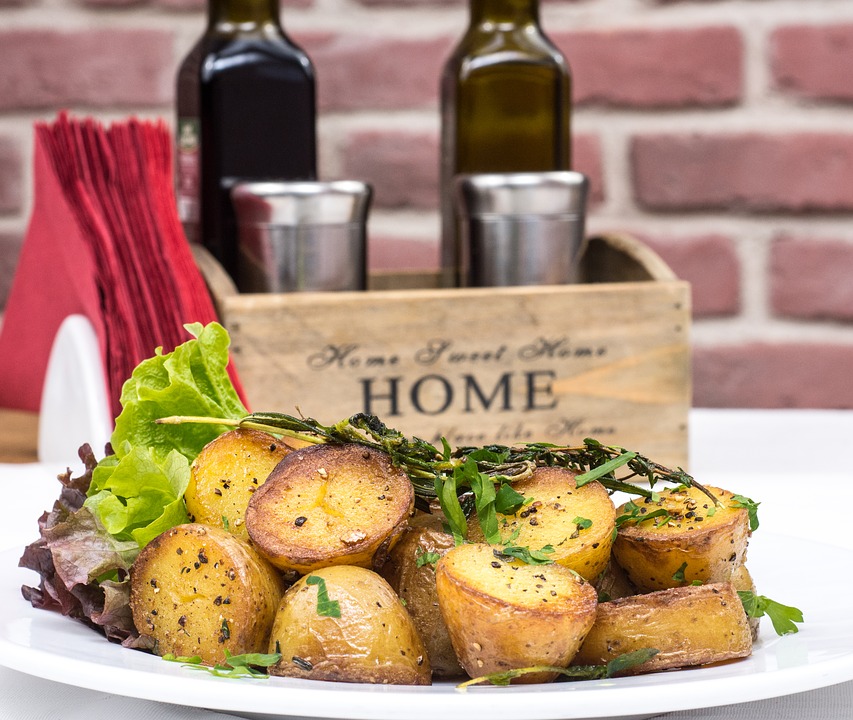
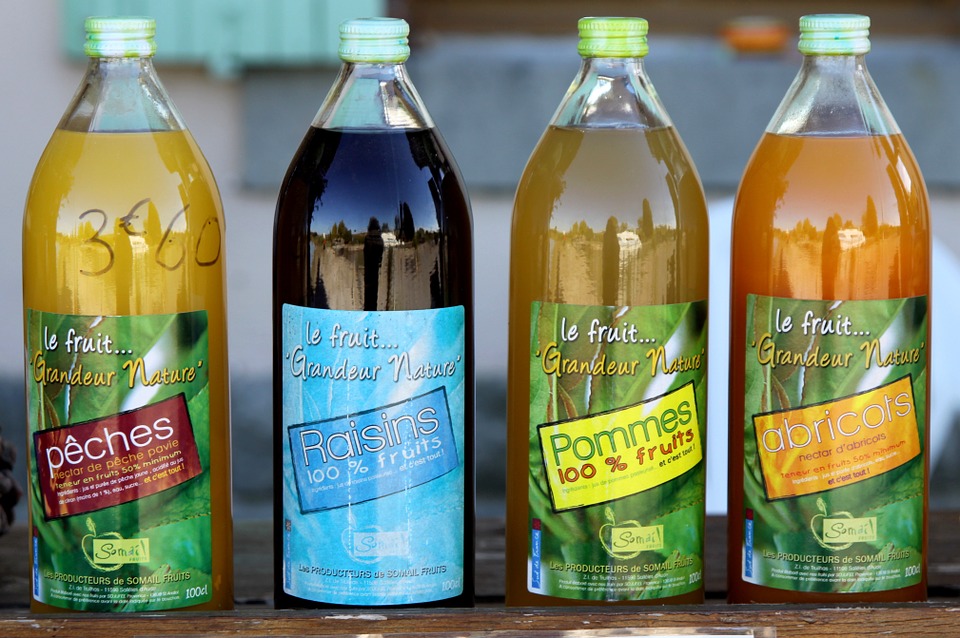
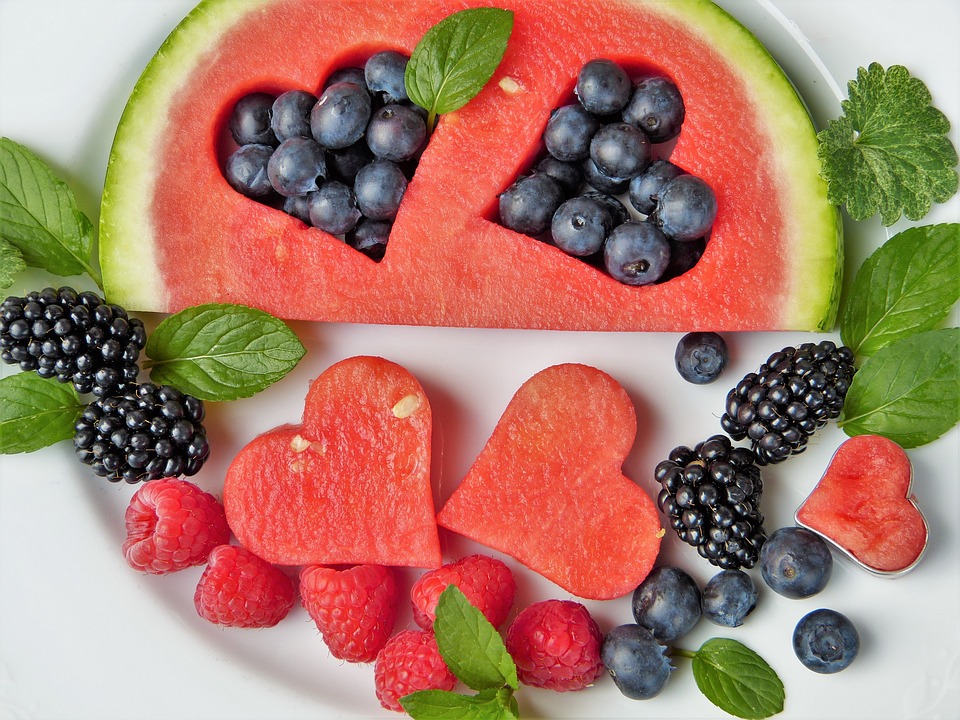
    2. Bottled Juices and Smoothies: juice-1013227_960_720.jpgAlthough they are widely marketed as healthy and ethical foods, juicing of fruits and bottling them for distribution and sale can cause a loss of positive vibrations making these products ‘tamasic’ and stale. The energetic value of fruits is best when eaten whole and especially when they are organically farmed without pesticides and chemical products. Fresh fruits are also readily available and require no processing making them ideal for busy people who do not wish to spend time cooking and juicing.fruit-2367029_960_720
    3. Fizzy Drinks and Diet Colas: supermarket-1229744_960_720Although we might reach out for fizzy drinks for quenching our thirst on a hot day, the truth is they have absolutely no nutritional benefits and provide an artificial feeling of cooling while artificial sweeteners such as saccharine and aspartame in diet colas are linked with cancer. The best alternative to thirst quenchers is a glass of clean water that you can easily have at home or work, and carry your own bottle while on the go.water

    4. White Breads and Refined Flour Pastas: white-bread-3279815_960_720Having a crisp toast or sandwich made with fluffy bread for breakfast, packaged biscuits or cakes for tea and shapely white pastas for dinner may not be as healthy for us as we thought. Due to refined flour, preservatives and additives used for most of these products, they are likely to impair our digestive systems if we consume them regularly. A much healthier alternative is to use traditionally milled whole-grain flour that contains the husk and fibres within and to prepare oven-fresh brown breads, biscuits, home-cut and dried pastas, home baked pizzas and easy to cook brown ‘rotis’ (flatbreads) within minutes at home without any unhealthy additives that packaged breads would normally contain. bread-1192236_960_720
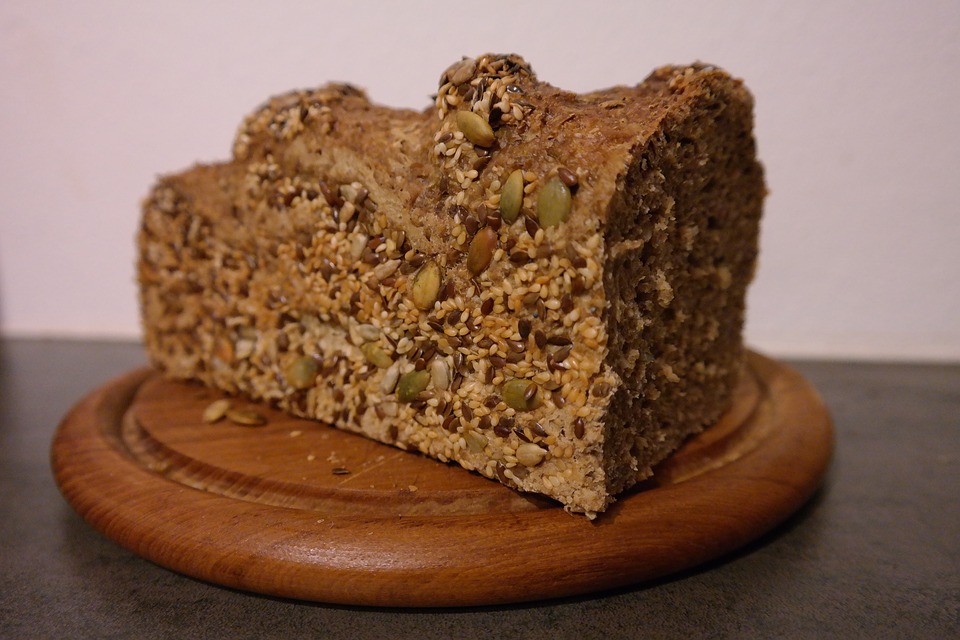
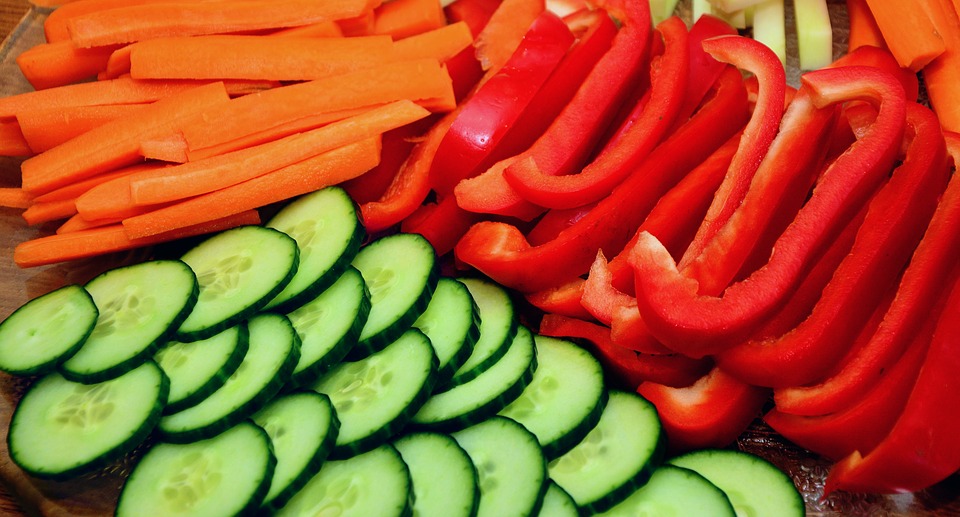
    5. Crisps and Cheesy Snacks: snacksReaching out for the easily available bag of crisps or nibbles is so very convenient when we feel a sudden hunger pang, even though we know it is not actually healthy for us. The artificial processing in factories, added salt, cheese powder and MSGs make these products ‘tamasic’ for us. Children fed on such foods on a regular basis are normally found to face more illnesses and developmental delays too. Instead of substituting these with alternative packaged foods, try wholesome and nutritive vegetables and fruits such as cucumber and banana which require no preparation and can be consumed on the go by children and adults alike.cucumber
    6. Snack bars and Granola: snackbarsNutty and cereal bars packed with sugars, sweeteners and chocolate as well as preservatives might be marketed as great health-foods but they are obviously not so. When we need to carry a nutty snack to work or play, we can easily pack some whole organic nuts in a bag and carry them with us to supply all the protein and fibre that we need, minus added sugar, sweeteners or preservatives.nuts.png
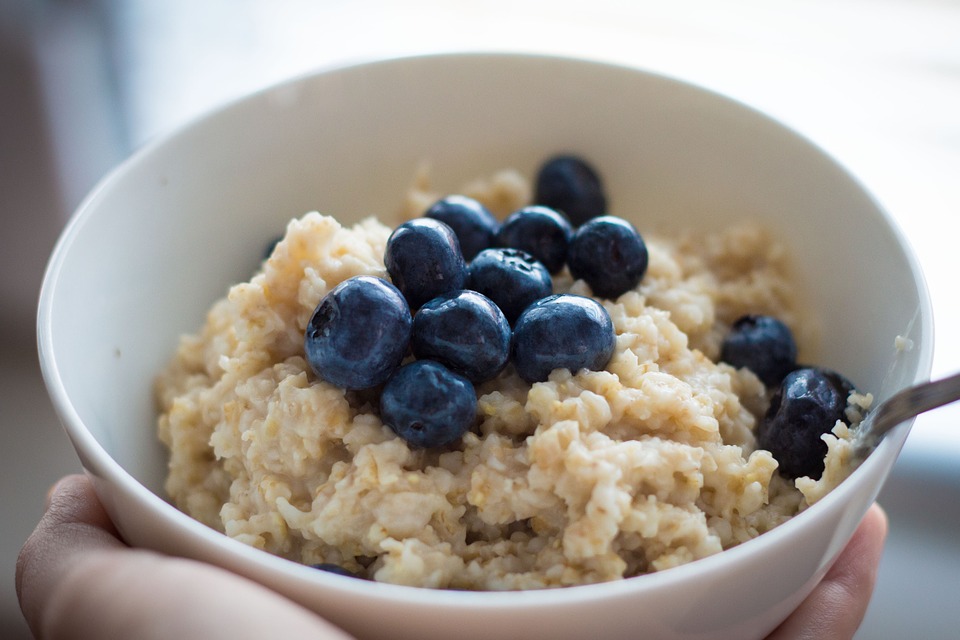
    7. Packaged Cereals and Cornflakes: Morning-GloryA box of cornflakes or muesli or some of the colourful or sugary cereals that we quickly pour out for our children and for ourselves each morning may not be the brightest way to begin our day.  Due to the packaged nature of these products we end up eating sulphites and preservatives as well as excess sugar that can be easily avoided by consuming homemade cereal such as boiled oats, broken wheat with whole fruits and nuts, or toast some oats and nuts in our own oven and prepare our own crunchy muesli within minutes. oats
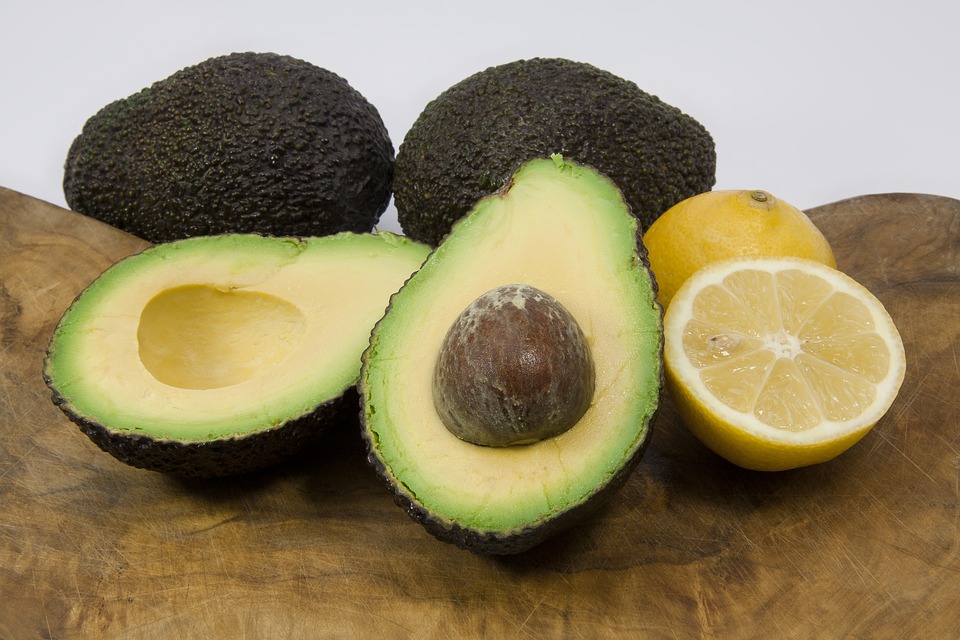
    8. Ice-creams, Sweets and packed Desserts: ice-cream-2198135_960_720.jpgCool softies and tubs of ice-creams, colourful sweets and lollies have been heavily marketed to children all over the media and through the tempting sounds of ‘ice-cream vans’ that haunt every school building each day of summer. We all know that these sweets and frozen desserts are completely devoid of any nutritional value and contain mostly fluff, artificial colours and sugar. Avoid all the sweet junk by focusing on fresh, whole, organic fruits such as creamy avocados and juicy oranges that can be easily carried over to every playground whether school and home and give yourself and your children a healthier life. avocado-1276875_960_720
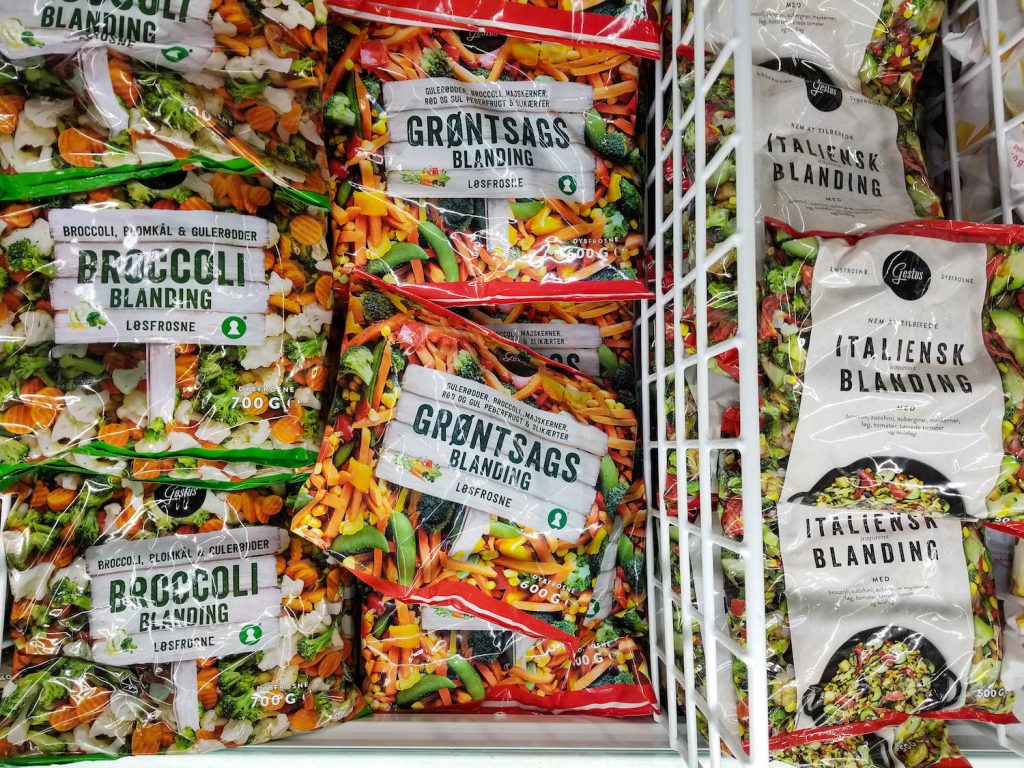
    9. Frozen Vegetables: Iceland-Groceries-Frozen-Vegetables-1024x768Some people think that frozen vegetables contribute to the ‘pre-day’ requirements for a healthy vegan life. However frozen goods are just as ‘tamasic’ or negative in energy as canned or processed foods. Instead, purchase organic fresh vegetables from your local organic farmers who can either home-deliver or sell fresh seasonal produce at the farmers markets regularly, or reach out for the ‘organic fresh vegetable’ shelf when you go shopping everyday.market-3336244_960_720
    10. Meats and Poultry: pigs-520896_960_720Chicken, beef, mutton, fish, ham, eggs and virtually all dead meats are ‘tamasic’ in nature as their spiritual energy is dark as well as painful due to the way all animals are treated and killed for the purpose of consumption. Consuming fresh vegetables and fruits that do not kill the plant is much more natural and ethical, while being full of health benefits of ‘sattvic’ nature. fruit-basket-396622_960_720
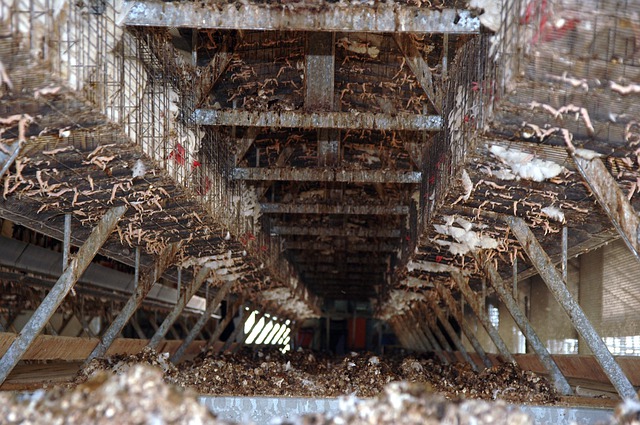
    11. Dairy and Cheese: Flickr-factory-farm-ArdarveJust as meats and eggs can distress and kill animals, so does the dairy industry too. Instead of substituting your diet with vegan cheeses and packaged vegan milks which have been processed in factories and thereby ‘tamasic’, we can ideally eliminate our dependence on dairy and cheese altogether by training our mind to enjoy whole fruits and vegetables with water as the best ‘sattvic’ choice.food


  • 15 Common Addictions and Healthier Alternatives

    15 Common Addictions and Healthier Alternatives

    We all have felt these common cravings to some or the other extent in our lives, and these can easily turn into addictions if not conquered through consciousness. Here are 15 ways of transforming them to healthier alternatives:

    1. Cakes and Sweets: While a bit of sweet treats every now and then would not ordinarily harm anyone, cakes and sweets can be highly addictive and unhealthy in the long run due to excessive fat and sugar content proven harmful for our heart and overall wellbeing. What our body is actually looking for is energy and a positive feeling of comfort. Juicy fruits make for a delicious alternative by supplying us 100% natural sugar and desirable nutrients to keep us radiantly healthy.fruit-3399834_960_720
    2. Breads and Chips: Cravings for pastas, biscuits, crispy fried snacks and carbohydrate rich foods is an indication that we need a feeling of a full tummy. However the excess gluten and heavy calories can easily show up on the waistline, in digestive discomfort and on the health of our skin. A healthy substitue are raw or sautee organic vegetables and crispy salads that provide natural fibre minus the excess calories to keep us feeling full as well as aid healthy digestion with a glowing effect on the skin.salad-2655915_960_720
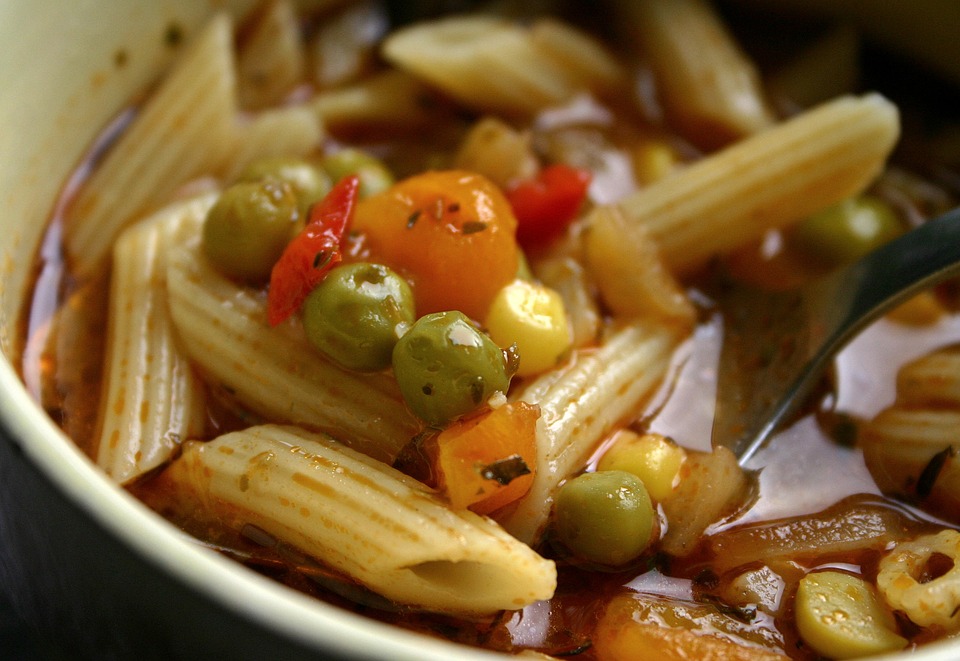
    3. Hot Curries and Spices: Our taste buds certainly seem to feel excited, but it is often the result of burning sensations and not really the flavours that your body actually desires, not to mention the acidity and upset moods that follow. A great way to add the flavour to our diet are vegetable soups laced with natural herbs such as sage, basil, parsley, cumin, rosemary and tarragon and  that are soothing yet yummy and good for our tummy. soup-570922_960_720
    4. Icecreams and Fizzy Drinks: Excellent advertising and marketing through the decades has most of us thirsting and craving for sodas and ice, especially in dry and hot weather. Not only do they have poor nutritional value, they can harm our throat and stomach too. A much more satisfying substitution is found in water as well as homemade drinks and coolers such as watermelon, minty lime or lemon water and fresh berries to quench, cleanse and purify our system.lime-2353741_960_720
    5. Tea and Coffee: Some of the most addictive substances are our daily cups of tea and coffee which are hard to let go of at times inspite of the nicotine and caffeine that can be harmful despite the engineered marketing claims of health benefits and research often promoted by industrial cartels. Herbal teas or Tisanes including home made concoctions such as ginger, lemon, nettle, lemongrass, hibiscus, peppermint, chamomile, dandelion and more are delightful alternatives to our daily requirement of hot beverages for healing and detoxification.tee-2427846_960_720
    6. Juices and Concentrates: Contrary to what we might have believed juices brought over the counter are not usually healthy as they are often filtered and diluted to remove fibre and containing concentrated sugars or even artificially sweetened at times. Keep all the fibre and pulp in, minus the sweeteners with homemade smoothies prepared with a combination of vegetables and fruits such as spinach, cucumber, kale, grapes, beet and avocado that can be prepared in less than five minutes.detox-1995433_960_720
    7. Smokes and Alcohol: Whether tobacco or other herbs or drinks that claim to provide a high, what we are really seeking is mental peace and destressing. Avoid cancerous and addictive substances by simple breathing techniques to take in fresh, clean air with yoga and meditation for stress relief. Aromatherapy with essential oils can be an excellent alternative too with therapeutic effects on the mind, body and soul.essential-oils-2884618_960_720
    8. Music, Movies and Telly: Constantly being plugged into gadgets for entertainment can be stressful for our third-eye as it blocks our inner creative vision and inner music from higher dimensions. Clear away thought pollution and noise in the head with simple habits of good restful sleep, noting down your dreams, receptivity and intuition training and meditative states to sharpen our inner senses. This way we can also develop extended sensory perceptions and lucid dreaming skills for awakening our consciousness.dream
    9. Social Media and Gossip: Chatting with friends, sharing updates and exchanging sweet pleasentries is one thing, while being unable to spend a single moment alone or with loved ones who we are responsible for due to addiction to socialising and social media is another. What we are actually seeking is a loving connection with the universe and this can be found through heart-centered meditation and compassion practice, family activities or through social work and volunteering for good causes.volunteer
    10. Looks and Popularity: We all like looking beautiful and receiving compliments, but an obsession with outer beauty, selfies, cosmetics, clothing or style can sometimes be at the expense of not allowing the real substance of the soul to shine through our natural face and natural body. Detach from false admirers and envious eyes by focusing on your inner talents, true or real friends, supportive and positive relations who bring our our true inner worth and through self-development at an integral level.yoga.jpg
    11. Money and Status: Whether through the next big car, house, designer labels or vacation we sometimes entangle ourselves with the illusion of materialism promoted steadily by some moviestars, celebrities and business tycoons. We can stop wasting our precious resources on meaningless things and start working on our inner and true resources by discovering our soul purpose, inner power and spiritual wealth that is the mark of true abundance that grows when shared.key
    12. Daydreaming and Fantasy: It is indeed healthy for our inner child to have a good imagination and to create fantasies in our mind, yet an excess of this can have us ungrounded and be a sign of inner depression or being stuck in unfulfilled dreams that float in our subconscious for a long time. Past regression for discovering our suppressed memories from earlier years or even past lives can help heal these issues or traumas that are at the core of our subconscious.therapy
    13. Religious Fixation: Cultures, religion and mythology are great subjects to delve into so that we can expand our mind, but a fixation on any limited belief system can make us judgemental or even fundamentalistic if we are unable to accept various points of view and stay open to learning. We can fulfil our search for truth and justice minus the indoctrination by learning about nature and karmic laws and make peace with the universe through understanding and love.moon-2776955_960_720
    14. Occult Power: We all love to have power over our reality, but it may be unhealthy if we are obsessed with the occult and seek to control others or their minds through our ego-centrism. The illusion of me versus others is broken through an expansion of consciousness through self-realization so that we realize our inheret unity and see our own reflection in all people and things in the world to bring about compassionate awareness.mandala-3396997_960_720
    15. Sex and Sensuality: We all need a healthy sensual experience of life for accepting joy and for balanced romantic relationships, yet an excessive focus on sexuality can be a sign of past repression, lack of inner joy and even depression. Let go of dependency with inner love and joyful creative activities such as music, yoga and arts to express the sacral chakra energy more beneficially instead of draining out all your power so that the kundalini or inner energy ascends to higher levels of consciousness without being repressed or blocked.chakra-3131632_960_720.jpg
  • Can There Be a Healthy Diet that Does not Kill?

    Can There Be a Healthy Diet that Does not Kill?

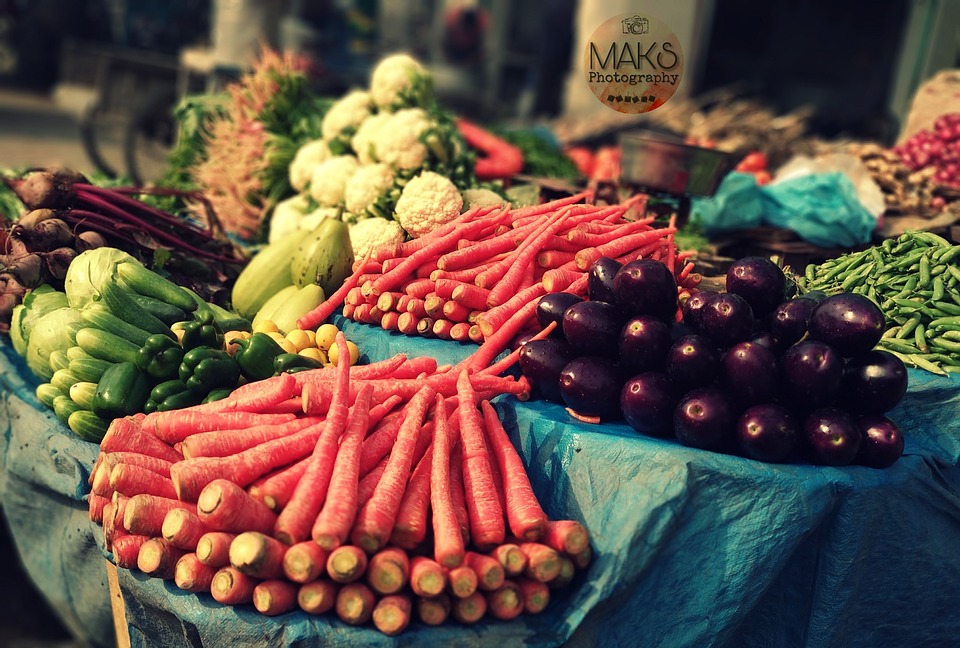
    Most people in the western world have grown up in an environment so rich in meats and animal products that the concept of not killing to eat is almost alien. However, those of us who have lived in India and walked through the streets where vegetables are sold all around, find it absolutely normal to have a vegetarian diet that contains no meat or eggs whatsoever.indian-rural-market-837345_960_720


    The food industry in USA and other leading western countries has been highly dependent on sale of meat and dairy rich items. A lot of research seems to be ‘targeted’ at somehow proving that vegan and vegetarian diets might be ‘nutritionally deficient’ and might even pose a ‘health risk’ stating that meats and dairy items contain more protein, vitamin B12 and calcium. These researches do not mention that an excess of any vitamin, protein or mineral can be harmful and our consumption of meat rich or dairy rich foods need to be controlled due. Can we always be certain that the intention of research studies to discourage vegan diet, is not motivated by fear of change and financial reasons especially that of the meat and poultry intensive businesses who would want to maintain their commercial success?

    chips-1867292_960_720

    Even by a simple observation we can see that severe health issues such as heart disease and cancer are linked with our modern lifestyle that includes factory processed, excessively fried and meat or dairy rich diet. Clearly we all need a diet that does not kill us.

    At the same time we can see the significant pain we are putting animals through simply to feed our human population merely because of our habits and taste which can simply be transformed through time and effort for a very positive cause of animal welfare. As an intelligent and evolved specie, we can easily adapt to a diet that does not kill others and tastes absolutely delicious too.vegan plate

    Spiritual humans are likely to take on vegetarian and vegan diets for some very important reasons:

    1. Compassion: Those who meditate and develop compassion are less likely to want to kill or harm other beings for the sake of their own health or survival. Such individuals try to research and use their intuition in discovering diets that cause as less harm as possible, for example consuming plants and plant based foods. Plants naturally release their ripe fruits and regrow their leaves and stems once harvested. Consuming vegetables and fruits causes significantly less harm than consuming animals who lose their life once killed for food. Vegans also wish to not harm cattle and poultry by respecting the needs for freedom and health for all specie and not just humans. farm.jpg
    2. Health: Meditation is all about observing yourself. By observing their body and their own reactions to various foods through meditative living, those who are on the spiritual path are more likely to discover what suits them through personal intuition instead of merely following the often biased research statistics. We might find that our stomach and overall body reacts much better to juicy fruits and vegetables than meat or dairy rich foods processed in factories. We also experience more relaxation in our bodies and our minds leading to healthier life. Plant based foods are naturally high in fibre and help us require less intake of food than what we need, as well as keep our digestive system clean and clear. Plants contain plenty of vitamins and minerals and carbohydrates, less harmful fats and a good amount of water that helps us feel naturally healthy and abundant with energy.salad-374173_960_720
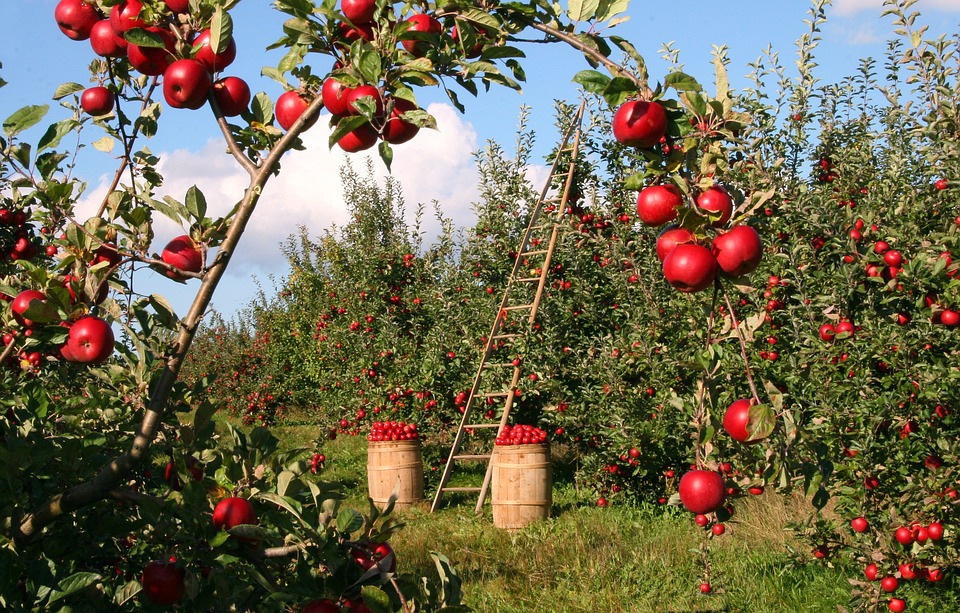
    3. Environment: Growing plants and trees for fruits and vegetables is great for our planet and seems to puts less stress on our resources than the meat and poultry industry. We all can do with more oxygen, soil, water and more food for the world and switching to a plant intensive diet helps us in going green and conserving our natural resources. Significantly less land is needed to grow plants than to feed cattle. When we promote plant foods we are likely to reduce global warming rather than cause more of it through harmful gases released by cattle farming. Increasing our consumption and hence demand of fruits, nuts and vegetables, especially organically grown without harmful pesticides or chemicals, is a great way to protect our world from global warming and industrial pollution.orchard

    Some of the reasons vegan diet in particular has been criticised are:

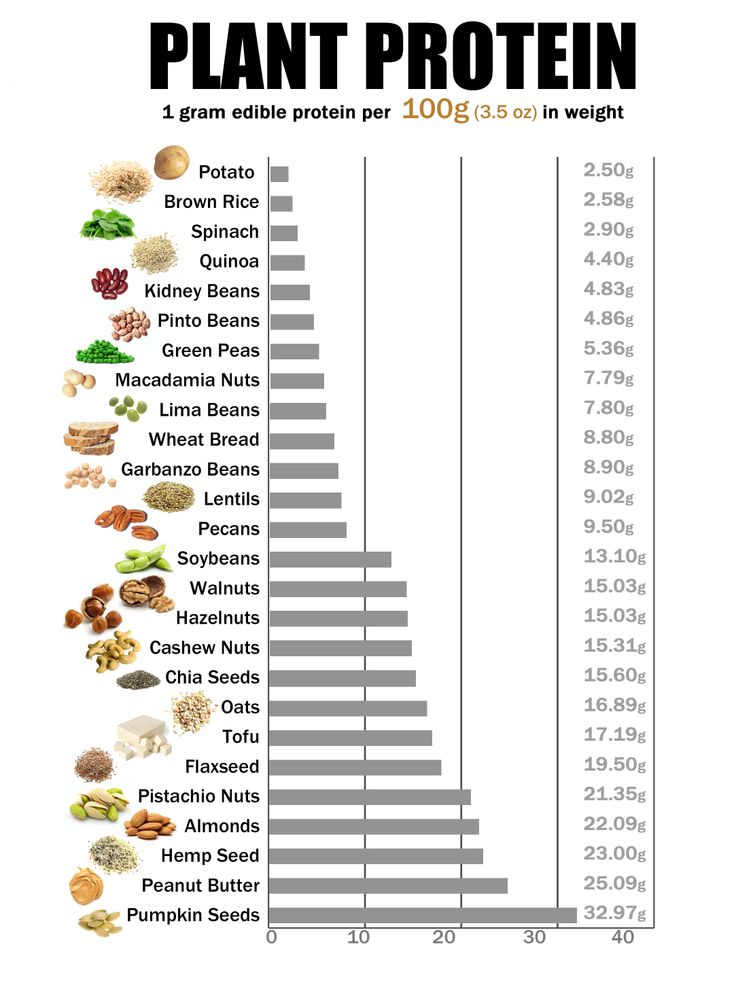
    1. Proteins: Those who claim that plant based diets are not rich in protein are not considering that most vegetarians consume legumes such as dal, nuts, peas, beans and other protein rich foods such as broccoli to a substantial quantity in foods. protein
    2. Calcium: It is not just milk but green leafy vegetables that are a significant source of calcium in our diet.calcium
    3. Iron: Women especially require healthy amounts of iron in diet, and these can be found easily in vegan foods. iron
    4. Omega 3 fatty acids: Plant based sources of this nutrient are equally or more effective than fish based.omega3

    4. Vitamin B12: Neither plants nor animals are capable of independently producing Vitamin B12 which is only created by bacteria found in the digestive system. Vitamin B12 is excreted out of our bodies and not required in high quantities. Supplements and fortified foods are rich vegan sources of Vitamin B12.

    5. Vitamin D: The only way of obtaining this vitamin seems to be through daily exposure to natural sunlight or through supplements and fortified vegan foods.

    Looks like it is absolutely possible to remain healthy without killing ourselves or others!

    govegan


  • My Tips for Healthy Living…final part 3

    My Tips for Healthy Living…final part 3

    21. Go outside. Staying cooped up indoors all the time can block our energy channels. Getting some fresh air in a healthy surrounding is as important as eating fresh food.

    22. Be natural. Pretending to be something we are not just to impress can often create energy blocks. Flashing designer labels, acting important or name dropping reveals an inner inferiority complex being masqued. Let go of false self importance and free the spirit to be yourself and see your aura glow and grow in truth.

    23. Express authentically. Those sugary sweet interactions are often a coating applied to hide our real views or feelings. The aim is often to gain a favour or maintain relations for future use. But what happens when we become two-faced is that we carry all this suppressed negativity inside which becomes grotesque by the day. Instead if we express our views authentically everyday, and allow others to do so freely, with open heart and mind, without fear of ego, and with forgiveness in our heart, interactions become more useful and positive. Our communication is then calm, authentic and meaningful, leading to expand everyones consciousness and reach mutual understanding. This way we actually prevent anger and blockages from building up and destroying health and relationships in future. If there is plenty of pent up unexpressed or hidden negativity inside from the past it can be exorcised and removed in a safe way with the help of expert healers or therapists to leave you detfoxified and cleansed, and then replace the space with positive energy of love and light.

    24. Be Karma Conscious. A lot of health conditions may be inherited by birth from our past life karma or deeds. Thoughts, desires, emotions and actions all are karma which create our destiny consciously or unconsciously. Through meditative visions in regression therapy, our natal chart in astrology, psychic visions of intuition and other past life healing modalities, we can know the hidden past and bring to surface our unconscious karma. We can learn our lesson, of how we created our own illness or misfortune through our own past karma in present or past lifetimes. Then we can choose to let go of those unhealthy ways of living and generate better karma in the present moment towards our greater wellbeing.

    25. Be Energy Conscious. Everything is energy. There is vibration in everything, whether potential or kinetic. Unuseful and harmful vibrations can be removed and replaced with better vibrations. Look at your own room, a painting with a sad face, a book with a negative title, a clock that has stopped, a broken artifact, newspaper with depressing headlines, unhappy music, a crime flick….all may be sending negative energy your way and unconsciously you might have been absorbing it to actually manifeset all those things. Replace with better vibration items that feel wonderful. Slowly you will gain the power to see the vibration or energy all around even where there is no physical matter, and learn how to transform that subtle energy too through energy healing. Its a science.

    26. Heal at each level. If negative energy has already manifested into physical illness seek medical treatment and not just inner healing. If mind is affected consider psychotherapy or psychological counseling too. Spiritual healing is always good, whether or not there is a problem. Let that be the base, take it regularly and let it flow at all times. But if any past inner negativity has already become a disease of mind or body, feel unashamed to seek medical help as well.

    27. Ground Yourself in the Present. Whatever may have happened until now, until the present moment, has already become your past. Talk about unwanted events in past tense. Every problem, each mistake, all sorrow WAS in past and need not continue to be in future. In present moment anything and everything is possible, but what will manifest depends on your WILL. Use your will power consciously in the present to create good always in each moment. Forgive and release the past. Let everything you say now be a positive affirmation. Choose to have positive feelings and thoughts right now. Do positive things this moment. This way negativity will have no scope of manifesting in future from NOW onwards.

    28. Know Thyself. All nature including us, is an array of various manifestations of the one energy or uni-verse. This energy is primarily good or God/ESS energy (God or Goddess is not outside but truly within all). Ego limitations create duality or multiplicity across the universe, but the universal energy still runs through us all and can be felt and experienced in meditation (attunement). Its rigid egos that have blockages to the free flow of God/ESS energy. These ego blocks operate out of ignorance when we identify and attach to our limited personalities instead of recognising ourselves as One. Liberating ourselves from ego blocks and ignorance is the ultimate healing. It helps us understand the overall oneness of everyone and everything in this matrix of life. We no longer attach to the limited karmic cycles of our individual past lives. No longer are we affected by past karmas or unconscious forces of destiny. The liberated person expands infinitely to truly experience being one with the universe. Anyone and anything can be healed when their ego blocks dissolve. If ego blocks restrict either the sender or receiver healing delays. The meaning of healing is to join, patch up and reunite through the common Higher Self, God/ess or one energy of the universe that runs through us.  Meditation helps in letting go of our rigid ego blockages and opens up the aura to healing. Whether you employ gems, crystals, amulets, energy channeling, candles, words, music, yoga, visualisation, herbs…everything starts working for our good once we are open and ready. Healing integrates us. The more spiritually liberated we all are, the more healed and peaceful the universe becomes.

    With this I conclude this three part series.

    I encourage you to meditate and experience the truth for yourself through real intuition instead of merely reading these words.

    Blessed Be

    Swati Prakash
    http://www.globalwicca.com

  • My Tips for Healthy Living…contd.

    My Tips for Healthy Living…contd.

    12. Sleep well. Care not for any obligations. Sleep is priority and I like to sleep early at night and until i wake up myself. No alarms required. I know some of you are nightbirds, but taking your full eight hours of beauty sleep is so essential. Catching up later in the day is impractical and just not as relaxing. I have found its best to complete my sleep at night. Early to bed and early to rise is definitely recommended by me.

    13. Play. Even before I became a mum I loved playing. Especially with kids in the park outdoors and board games indoors. Stop playing and you lose a vital part of you.

    14. Dance. This is my favourite exercise and hobby. You should be able to dance anywhere, without alchohol and without embarrassment. Dancing rejuvinates all our chakras and shakes off all the negativity out of the aura. A lot of Wiccan and ancient pagan rituals involve rhythmic body movement and dancing as these are great for healing.

    15. Generosity without expectation. This truly helps in releasing two major blockages towards healing, namely guilt and fear. Give to others and yourself good energy, blessings, prosperity, help…. freely and often. Do not haggle or drain others. Give happily. Accept happily without guilt when you receive likewise.

    16. No Watch. I stopped wearing a watch when I was a teen. Life is better ever since. Your body has its own inner clock…let that guide you. A lot of tension gets relieved as a result when your intuition takes over and you go with the flow instead of racing about daily.

    17. Clear up the clutter. Keeping your cupboard, attic, basement, all rooms, office drawers, desk clean, well sorted and organised is the key to solving many many problems in life including health. Good energy flows better without clogging. Healing flows in.

    18. Don’t stock up medicines. I do not say never use medicines. Unless absolutely necessary and prescribed at that point of time, don’t collect medicines because you want to be prepared. Do not create that kind of potential energy. Everything you collect wants to be used someday. I have kept medicines at bay for many many years now and trust me, have not invited much of illness either. Work on your chakras, learn healing, there is plenty of prevention and less need for cure when you take healing right from childhood. Do not wait for a medical emergency to start with healing please.

    19. No harmful substances. I assure you spiritual power does not require any harmful drug, smoking, alcohol intake or any harmful practice of any kind. These are tamasic or negative substances and their effects can never be good in any way. Even Shiva brought up the poison, he never absorbed it. So don’t think religious or ritualistic intake in the name of any god is a great liberator. Do not let even tea or coffee control you. Be your own master.

    20. No hurry. Walk slowly, admire the flowers, smile at people, breathe…consciously…we are immortal. Its a myth that we live just once…you can live this life as many times as needed… It can be better each time. Enjoy growing older, its a journey of your soul. The body will adapt and age beautifully. I have had gray hair since childhood and no fear of graying. I have no problem gaining age either. Its another word for experience. Why do we want to hold on to youth. As long as you remain healthy and wise let age advance. Do not fear ageing, death, or life itself. A lot of people feel they must end the cycle of rebirth and hurry up with their spirituality so that this birth is assured to be their final birth. This reveals a fear and a major blockage. Let it go. Life and afterlife and life after life are all beautiful. We are energy, one and many at the same time. Energy changes form and is never really destroyed. With awareness we consciously transform in a positive direction. We have always existed and will always exist though not in the same form or multiplicity. Infinite life is ours.

    Blessed be

    Swati Prakash
    http://www.globalwicca.com